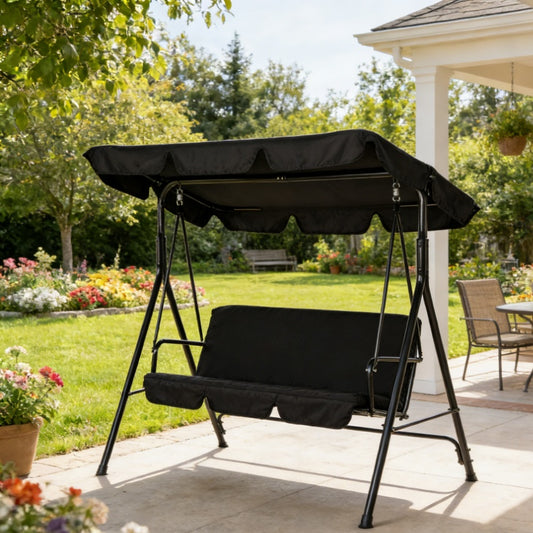
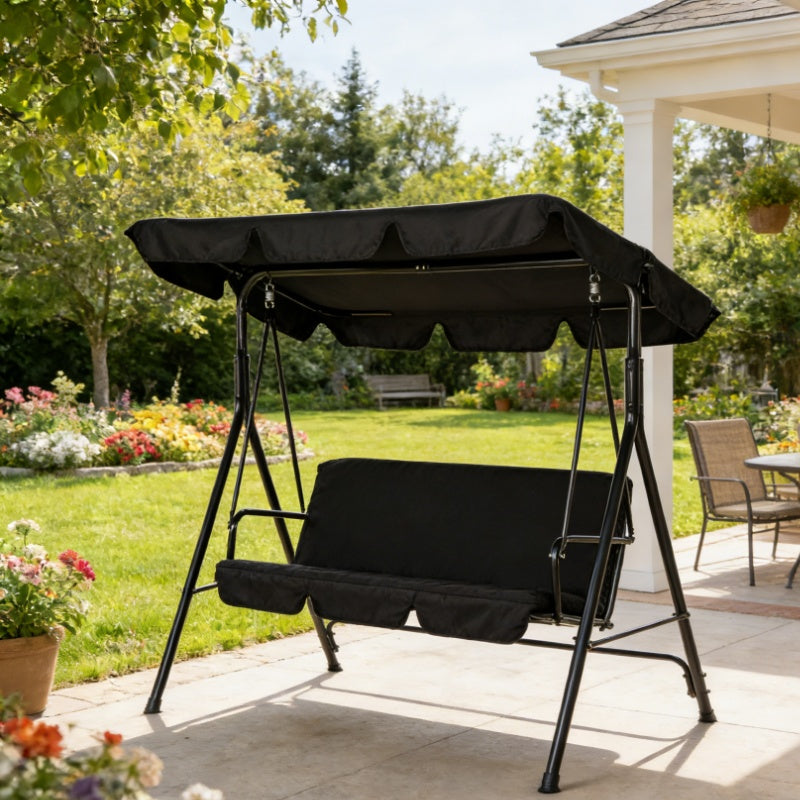
For many business owners who use gazebos for outdoor events, storage, or customer spaces, figuring out how to anchor a gazebo to the ground is a top priority. Gazebos are great for adding extra outdoor space, but they can be risky if not anchored properly—wind or even light storms can tip them over, causing damage or injury.
The problem? Many people don't want to drill into their patio, lawn, or concrete surfaces. That's why more and more gazebo owners are looking for gazebo anchor ideas that skip drilling. In this blog, we'll focus on how to anchor a gazebo without drilling, using weights as a simple, effective solution.
1. Why Many Gazebo Owners Avoid Drilling Into the Ground?
Now that we've talked about weight-based anchoring as an alternative, let's first understand why so many people steer clear of drilling when anchoring their gazebos. It's not just about convenience—there are real, practical reasons that matter, especially for business owners who want to protect their property and save time.
1.1 Surface Restrictions: When Drilling Is Not an Option?
The biggest reason people avoid drilling is surface restrictions. Many outdoor surfaces can't handle drilling, and doing so might break rules or damage property. Here are the most common scenarios where drilling is impossible:
- Rented spaces: If you rent your business location, your landlord will likely ban drilling—holes in patios or concrete are permanent and hard to fix.
- Delicate surfaces: Brick patios, decorative stone, or wooden decks can crack, split, or splinter if you drill into them, ruining their appearance and value.
- Public areas: If you use a gazebo in a public park or shared space, drilling is almost always prohibited by local rules.
|
Surface Type |
Can You Drill? |
Reason |
|
Concrete Patio (Owned) |
Yes, but Not Recommended |
Leaves permanent holes; hard to repair |
|
Rented Wooden Deck |
No |
Landlord bans it; damages wood |
|
Decorative Stone |
No |
Cracks easily; ruins appearance |
1.2 Structural and Cost Concerns
Even if you own your space and can drill, structural and cost issues make many people think twice. Drilling isn't as simple as it sounds—you need the right tools, like a power drill and masonry bits, which can be expensive if you don't already have them.
Hiring a professional to drill and install gazebo anchors adds even more cost, which business owners often want to avoid. Worse, if you drill incorrectly, you can weaken the ground or the gazebo frame itself. For example, drilling too close to the edge of a concrete slab can make it crack over time.
These concerns—combined with surface restrictions—are why so many people ask: is there a way to anchor a gazebo without drilling? The good news is yes, and we'll dive into that next.

2. Can You Anchor a Gazebo to the Ground Using Weights Alone?
We left off talking about avoiding drilling, so let's get straight to the big question: can weights alone help you how to anchor a gazebo to the ground? The short answer is yes—but it depends on a few key things, so don't just stack any heavy object and call it done.
2.1 How Weight-Based Anchoring Works?
Weight-based anchoring is simple: you place heavy weights on or around each gazebo leg to keep it from moving. The weight presses down on the ground, creating friction that stops the gazebo from sliding or tipping over in wind. It's one of the most popular gazebo anchor ideas for people who can't drill.
Unlike drilling, which locks the gazebo into the ground, weights rely on sheer mass to hold it steady. For example, if you run a small outdoor café with a gazebo, using weights lets you move the gazebo later if you rearrange your space—something drilling won't let you do.
2.2 When Weights Are Enough—and When They Are Not?
Weights work well in many cases, but they aren't a one-size-fits-all solution. Here's a quick breakdown to help you decide:
- Weights are enough: In areas with light to moderate wind, and for smaller gazebos, weights alone will do the job to anchor a gazebo without drilling.
- Weights are not enough: In high-wind areas (over 25 mph regularly), or for large, lightweight gazebos, weights alone may not be strong enough to keep it secure.
|
Wind Speed |
Weights Alone Enough? |
Note |
|
Under 15 mph |
Yes |
Ideal for small to medium gazebos |
|
15-25 mph |
Maybe |
Need heavier weights or extra support |
|
Over 25 mph |
No |
Combine weights with other non-drill methods |
3. Types of Weights Used to Anchor a Gazebo to the Ground
Now that you know when weights work, let's talk about the best options to use—no fancy stuff, just simple, affordable choices that fit any business owner's needs. All of these will help you how to anchor a gazebo to the ground without drilling.
3.1 Gazebo-Specific Weight Plates
Gazebo-specific weight plates are designed just for this job, and they're super easy to use. They usually wrap around or sit directly on the gazebo legs, so you don't have to worry about them slipping off. These are a great choice if you want something hassle-free.
They're made to be durable, so they can stay outside in all weather without rusting or breaking. While you don't need to drill, make sure they fit your gazebo legs tightly—loose weight plates won't hold as well, which defeats the purpose of using gazebo anchors.
3.2 DIY Weight Options: Concrete Blocks, Sandbags, Water Weights
If you want to save money, DIY weights are a perfect choice. They're easy to find and work just as well as specific plates. Here are the most common DIY options, with quick pros and cons:
|
DIY Weight Type |
Pros |
Cons |
|
Concrete Blocks |
Cheap, heavy, easy to find |
Can scratch delicate surfaces |
|
Sandbags |
Light to carry when empty, mold to legs |
Can get wet and heavy to move later |
|
Water Weights |
Adjustable weight, easy to store |
Can leak if not sealed properly |
Since you're focusing on drill-free weight anchoring for your gazebo, the YODOLLA heavy-duty metal gazebo fits right in—its sturdy frame pairs seamlessly with weight plates or DIY anchors, no drilling needed. Designed for patios and decks, it's built to work with the non-drill methods we've covered, without sacrificing stability for your outdoor business space.
No matter which DIY option you choose, make sure they're heavy enough—we'll talk more about how much weight you need in the next section!

4. How Much Weight Does a Gazebo Actually Need?
Just like we promised, let's figure out the right weight to safely how to anchor a gazebo to the ground. For business owners, this is crucial—too little weight risks your gazebo blowing away, while too much is extra work. It all comes down to size, frame type, and wind.
4.1 Weight Recommendations by Gazebo Size and Frame Type
The weight you need depends mostly on how big your gazebo is and what its frame is made of. Here's a simple table to guide you—no complicated math, just easy references:
|
Gazebo Size |
Frame Type |
Total Weight Needed (All Legs Combined) |
|
Small |
Lightweight Metal/Plastic |
80-120 lbs |
|
Medium |
Heavy Metal/Wood |
120-200 lbs |
|
Large |
Any |
200+ lbs |
Pro tip: Split the total weight evenly across all legs—this keeps the gazebo balanced and makes it easier to how to anchor a gazebo without drilling.
4.2 Wind Speed as the Key Variable
Wind speed is the biggest factor that changes how much weight you need. Even a medium gazebo needs more weight if you're in a windy area. Here's a quick breakdown to remember:
- If wind speeds often hit 15-25 mph, add 20-40 lbs to the total weight recommendation.
- If wind speeds regularly exceed 25 mph, add 40+ lbs and consider extra gazebo anchor ideas too.
This ensures your gazebo anchors hold strong, even on breezy days when you're using it for customers or events.

5. How to Anchor a Gazebo to the Ground Using Weights?
Now we get to the fun part—step-by-step instructions to actually how to anchor a gazebo to the ground using weights. It's straightforward, and you don't need any special tools—perfect for busy business owners who want results fast.
5.1 Positioning Weights Correctly at Each Leg
First, position your gazebo in the spot you want—it's harder to move once weighted down. Then, place weights directly under or around each leg. Don't stack all weights on one leg—this will tip the gazebo.
For example, if you have a small cafe gazebo, put 20-30 lbs under each leg (split from the total 80-120 lbs). Make sure weights are flush against the legs—this prevents them from sliding and keeps the gazebo steady.
5.2 Securing the Frame to the Weights
Just placing weights isn't enough—you need to secure the gazebo frame to the weights to make sure they don't separate. This is a key step to make your gazebo anchors effective.
Use straps or bungee cords to wrap around the leg and the weight. For DIY weights like concrete blocks, wrap the strap around the block and the leg tightly. For gazebo-specific weight plates, they usually have built-in straps to make this easier.
5.3 Testing Stability Before Regular Use
- Once everything is set up, test the stability before using the gazebo for customers or events. Here's how to do it properly:
- Push gently on each side of the gazebo—if it shifts or wobbles, add more weight or tighten the straps.
If it's a breezy day, check again after an hour to make sure weights haven't slipped.
This quick test saves you from accidents later and ensures you've successfully anchored a gazebo without drilling.

6. Common Mistakes That Make Weight Anchoring Unsafe
Even if you follow the steps above, it's easy to make small mistakes that put your gazebo at risk. Let's talk about the most common ones—so you can avoid them and make sure you know how to anchor a gazebo to the ground safely.
Many business owners rush through the anchoring process, which leads to costly errors. The biggest mistake is using too little weight—even if you think it's enough, light weights won't stand up to sudden gusts, making your gazebo anchors useless.
|
Common Mistake |
Why It's Unsafe |
How to Avoid It |
|
Too Little Weight |
Gazebo can blow over in wind |
Follow weight recommendations in Section 4 |
|
Not Securing Weights to Legs |
Weights slide away from legs |
Use straps to attach weights tightly |
|
Uneven Weight Distribution |
Gazebo tips to one side |
Split total weight evenly across all legs |
Another mistake is ignoring weather changes. If a storm is coming, don't rely on basic weights—take extra steps to anchor a gazebo without drilling, like adding more weights temporarily.
7. How to Improve Wind Resistance Without Drilling?
We know high wind can be a worry—so let's cover simple ways to boost wind resistance without drilling. These tricks work with your existing weights and gazebo anchors, keeping your space safe even on breezy days.

7.1 Combining Weights With Other Non-Drill Solutions
Weights are great, but combining them with other non-drill methods makes them even stronger. Here are a few easy, affordable gazebo anchor ideas to pair with weights:
- Ground stakes (for grass): Use plastic or metal stakes around the gazebo legs (no drilling) to add extra friction with the ground.
- Gazebo tie-down kits: These kits use straps and anchors that don't require drilling, wrapping around legs to keep them steady.
For example, if you have a gazebo on a grassy event space, pair concrete block weights with ground stakes—this double protection ensures you know how to anchor a gazebo to the ground securely.
7.2 Smart Placement to Reduce Wind Exposure
Where you place your gazebo matters more than you think. Smart placement reduces wind exposure, making it easier to anchor a gazebo without drilling. Here's a quick table of best and worst spots:
|
Placement |
Wind Resistance |
Note |
|
Near a Wall/Fence |
High |
Wall blocks wind gusts |
|
Open Lawn (No Barriers) |
Low |
Needs extra weights/stakes |
Boosting wind resistance without drilling is even easier when you start with a gazebo built for durability—enter the YODOLLA wood gazebo. It stands up to 70 mph winds on its own, works seamlessly with the weight anchors we've covered, and needs no external screws or ground-damaging drills, whether freestanding or wall-mounted.
Avoid placing your gazebo in open, unprotected areas—this forces your weights to work harder and increases the risk of movement.
8. Is Weight-Based Anchoring Right for Your Gazebo?
After learning all about weight-based anchoring and how to boost wind resistance, you're probably wondering if it's the right fit for you. Let's keep it simple—this section will help you decide quickly, so you can get back to using your gazebo for your business.
Weight-based anchoring is all about convenience and no damage, but it's not for everyone. The key is to match it to your needs, your gazebo, and your outdoor space—just like we've talked about in the past sections.
8.1 Quick Decision Guide for Homeowners
To make it easy, here's a simple decision guide (with a table!) to help you tell if weight-based anchoring works for you. It covers the most common scenarios business owners face:
|
Your Scenario |
Weight-Based Anchoring Right for You? |
Why? |
|
You can't drill (rented space/delicate surface) |
Yes |
No damage, easy to remove later |
|
You have high wind (over 25 mph regularly) |
Maybe |
Need to combine with other gazebo anchor ideas |
|
You want to move your gazebo later |
Yes |
Weights let you rearrange without drilling |
A quick tip: If you're still unsure, start with weights—they're affordable and easy to adjust. You can always add more or combine with other methods to anchor a gazebo without drilling.
Conclusion
Figuring out how to anchor a gazebo to the ground doesn't have to be hard—especially if you can't or don't want to drill. Weight-based anchoring is a simple, effective solution for most business owners, letting you secure your gazebo without damaging your outdoor space.
We've covered everything you need to know: why so many people avoid drilling, how weight-based anchoring works, what weights to use, how much weight you need, step-by-step instructions, common mistakes to avoid, and how to boost wind resistance. All these gazebo anchor ideas are designed to be easy to follow, even if you're not handy with tools.
Remember, the goal is to keep your gazebo safe and secure—whether you use gazebo-specific weight plates or DIY options like concrete blocks. Weight-based anchoring is perfect if you want convenience, no damage, and flexibility. Now you have all the tools to anchor a gazebo safely and easily, without picking up a drill.