For many business owners, a comfortable sofa is more than just furniture—it's a place to relax after a busy day of meetings, entertain clients casually, or even take a short break. And the key to that comfort? It all comes down to sofa cushions.
Too many people overlook the importance of choosing the right sofa cushions, ending up with seats that are too hard, too soft, or wear out quickly. Whether you're replacing old sofa seat cushions or picking new ones for a sofa, getting this choice right saves you time, money, and discomfort.
In this blog, we'll break down everything you need to know to choose sofa cushions that match your comfort style. We'll start with the different types of high-quality sofa cushions, their sofa cushion filling options, and guide you through every step to find your perfect fit. By the end, you'll know exactly how to pick sofa cushions that feel great and last long.
1. Understanding the Anatomy of High-Quality Sofa Cushions
Before you start picking sofa cushions based on feel alone, it's important to understand what makes a sofa cushion high-quality. The biggest factor is the sofa cushion filling (or sofa cushion stuffing)—it determines how the cushion feels, how supportive it is, and how long it lasts. Let's take a look at the most common types of high-quality sofa cushions, each with unique features.
|
Cushion Type |
Key Feature |
Sofa Cushion Filling |
|
Standard Foam Sofa Cushions |
Firm and supportive |
Dense foam (no extra additives) |
|
Spring Down Sofa Cushions |
Plush with bounce |
Down + inner springs |
|
Down Blend Sofa Cushions |
Soft and cozy |
Down + synthetic fibers |
|
Memory Foam Sofa Cushions |
Custom fit to your body |
Memory foam (dense or layered) |

1.1 Standard Foam Sofa Cushions
Standard foam sofa cushions are the most common and practical choice for many business owners. They're made with dense foam as sofa cushion stuffing, which offers firm support that doesn't sink too much when you sit.
These cushions hold their shape well over time, so you won't have to fluff them constantly. They're great for high-traffic areas—perfect if you often have clients sitting on your sofa or use it frequently throughout the day.
1.2 Spring Down Sofa Cushions
If you prefer a softer, more luxurious feel, spring down sofa cushions are a great option. Their sofa cushion filling combines down (for softness) with inner springs (for support), giving you a "sit-in" feel that's cozy but not saggy.
A quick note: These cushions do require occasional fluffing to keep their shape, but their bounce and softness make them worth it. They're ideal if you want your sofa to feel inviting and comfortable for long relaxation sessions.
1.3 Down Blend Sofa Cushions
Down blend sofa cushions are a budget-friendly alternative to pure down cushions. Their sofa cushion filling mixes down with synthetic fibers, balancing softness and durability. They feel almost as cozy as pure down but are more resistant to flattening.
Here's a small tip: The more down in the blend, the softer the cushion—but synthetic fibers add resilience. These are perfect if you want soft sofa cushions without the high cost of pure down.
1.4 Memory Foam Sofa Cushions
Memory foam sofa cushions are all about personalized comfort. Their sofa cushion stuffing is made of memory foam, which conforms to your body shape when you sit, relieving pressure on your back and hips.
They're great if you have back pain or spend long hours sitting on your sofa. Unlike some other cushions, memory foam doesn't bounce back immediately—it slowly regains its shape, ensuring a custom fit every time you sit.

2. The Comfort Spectrum: Firm vs. Plush Sofa Cushions
Now that you know the different types of sofa cushions and their sofa cushion filling, let's talk about the most personal part—comfort. Not all sofa cushions feel the same, and the key to finding your fit is understanding the 1-10 firmness scale (used by furniture brands like Belfort).
This scale makes it easy to pick sofa cushions that match how you like to sit, whether you prefer a firm seat or a soft, sink-in feel. It also helps when choosing sofa seat cushions that work for everyone who uses your sofa.
|
Firmness Level (1-10) |
Feel Type |
Best For |
|
1-4 |
Sit-On (Firm) |
People who want strong support |
|
5-7 |
Goldilocks Zone (Medium) |
Most people (balance of support and softness) |
|
8-10 |
Sit-In (Plush) |
People who want a cozy, sink-in feel |
2.1 The "Sit-On" Feel (Firmness Levels 1-4)
Firm sofa cushions (levels 1-4) give you a "sit-on" feel—you won't sink in at all, and your body stays supported. This firmness usually comes from dense sofa cushion stuffing, like high-density foam.
Here's who they're perfect for: business owners who sit for short periods, have back issues, or prefer a neat, structured sofa. A quick tip: Avoid level 1 (extra firm) unless you need maximum support—level 3-4 is more comfortable for daily use.
2.2 The "Sit-In" Feel (Firmness Levels 8-10)
Plush sofa cushions (levels 8-10) offer a "sit-in" feel—you sink into the cushion slightly, which feels cozy and relaxing. This softness often comes from sofa cushion filling like down or down blends.
They're great for unwinding after a long day, but they do require more maintenance (like fluffing) to keep their shape. Level 9-10 is ultra-plush, while level 8 is softer but still has some support.
2.3 Finding the "Goldilocks Zone" (Medium Levels 5-7)
Medium sofa cushions (levels 5-7) are the "Goldilocks Zone"—not too firm, not too plush. They balance support and softness, making them perfect for most people and daily use.
This firmness works with almost any sofa cushion filling, from memory foam to down blends. Level 6 is the most popular choice—it's soft enough to relax but firm enough to support you during client meetings.

3. Density and Durability: How Long Will Your Sofa Cushions Last?
After picking the right comfort level, you'll want to make sure your sofa cushions last—no one wants to replace sofa seat cushions every year. The key to durability is density, especially for foam-based sofa cushion stuffing.
Density and resilience determine how well sofa cushions hold their shape, resist flattening, and stand up to daily use. Let's break this down simply, so you can choose long-lasting sofa cushions.
3.1 Understanding Foam Density Ratings
Foam density (measured in pounds per cubic foot) tells you how durable the sofa cushion stuffing is. Higher density means firmer, longer-lasting cushions. Here's a simple guide to density ratings:
- Low density (under 1.5 lbs): Soft but flattens quickly—only good for temporary sofa cushions.
- Medium density (1.5-2.5 lbs): Balances comfort and durability—great for daily use.
- High density (over 2.5 lbs): Extra durable—holds shape for years, perfect for high-traffic sofas.
3.2 The Resilience Factor
Resilience is how well sofa cushions bounce back after you sit on them. Even high-density foam needs good resilience to avoid flattening over time. You can test resilience by pressing the cushion—if it bounces back quickly, it has good resilience.
Sofa cushion filling plays a role too: memory foam has low resilience (slow to bounce back), while foam blends have high resilience. For durability, choose sofa cushions with medium to high density and good resilience—they'll last 5-7 years with proper care.
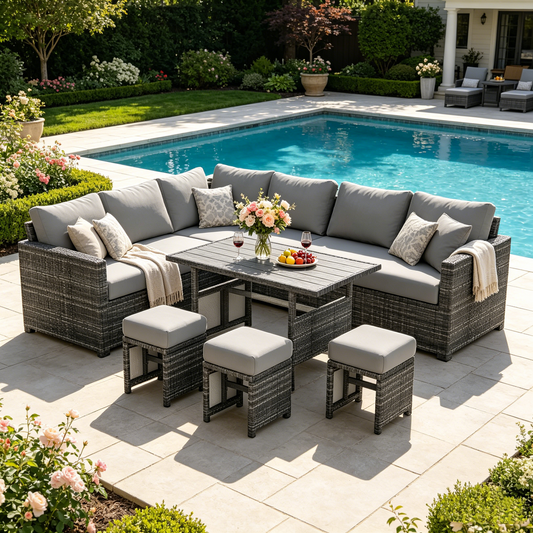
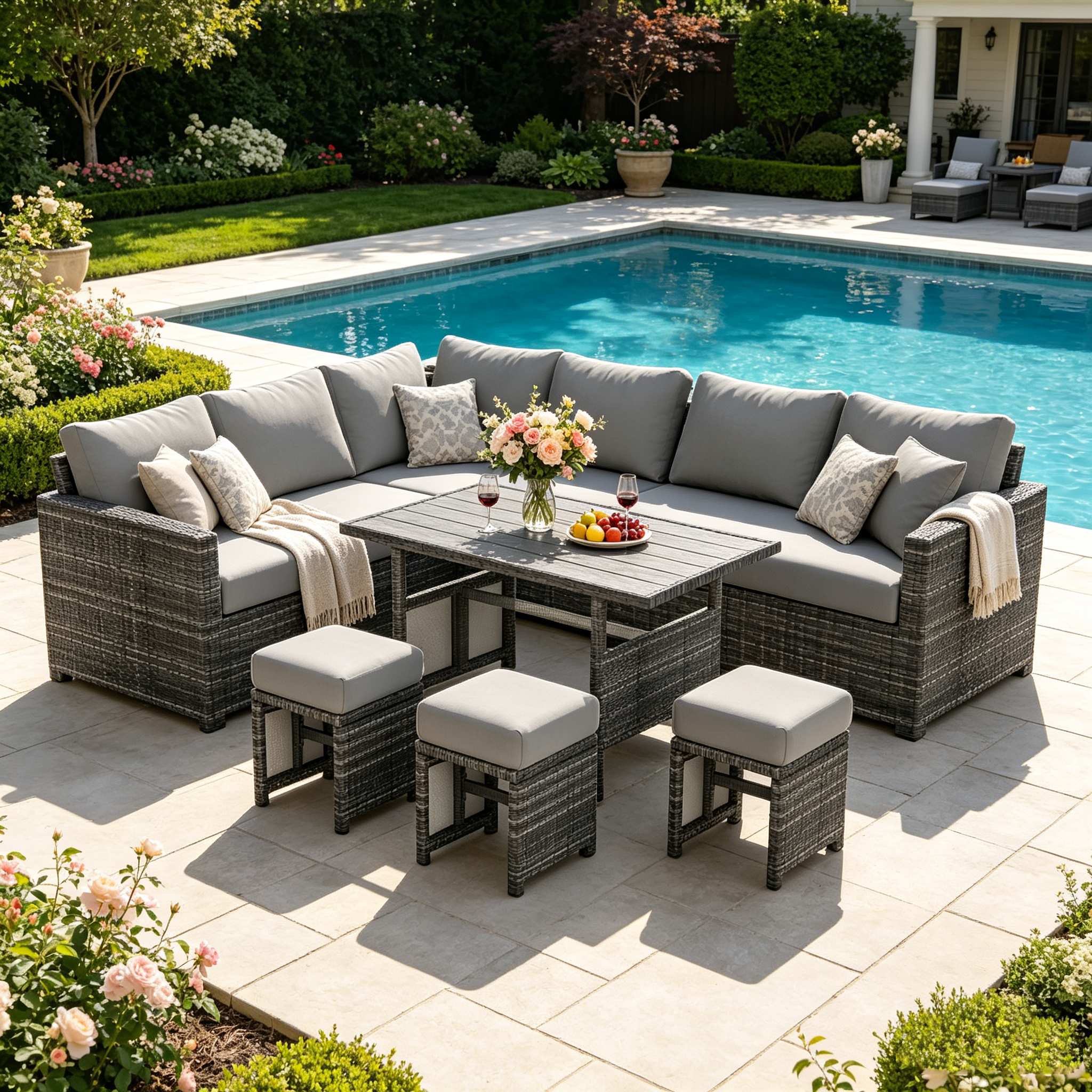
If you're using your anchored gazebo as a cozy outdoor lounge for customers or casual gatherings, the YODOLLA chenille sofa is a seamless fit—its screw-free assembly and roomy design make it a hassle-free addition to your secure space. The soft, supportive cushions and durable fabric hold up well in outdoor settings, pairing perfectly with your weight-anchored gazebo without extra setup stress.

4. Matching Your Lifestyle to the Right Sofa Cushions
Now that you know about comfort, density, and durability, let's tie it all to your daily life. The best sofa cushions aren't just comfortable—they fit how you live, especially for busy business owners who don't have time for extra hassle.
Your lifestyle will decide things like how much maintenance you can handle, how durable your sofa seat cushions need to be, and even which sofa cushion filling works best. Let's break it down to make it easy.
|
Lifestyle |
Best Sofa Cushion Type |
Ideal Sofa Cushion Filling |
|
Busy (little time for maintenance) |
Standard Foam |
High-density foam |
|
Active (pets/kids) |
Memory Foam/Down Blend |
Memory foam or down + synthetic fibers |
|
Health-Sensitive (back pain/temperature issues) |
Memory Foam |
Layered memory foam |
4.1 The Maintenance Reality Check (Fluffing & Rotation)
Let's be honest—busy business owners don't have time to fluff sofa cushions every day. Some sofa cushions need more care than others, and choosing the right ones will save you frustration.
Here's a quick maintenance breakdown to keep in mind:
- Low maintenance: Standard foam or memory foam sofa cushions—no frequent fluffing, just occasional rotation.
- Moderate maintenance: Down blend or spring down sofa cushions—need weekly fluffing to keep their shape.
4.2 The "Active Home" Factor (Pets & Kids)
If you have pets or kids, your sofa cushions will get more wear and tear. You need sofa seat cushions that are durable and can handle spills or scratches without falling apart.
Sofa cushion stuffing like high-density foam or memory foam is tough and resists flattening from rough play. Avoid pure down cushions—they're soft but not as durable for active homes.
4.3 Health and Temperature Sensitivities
Your health should play a role in choosing sofa cushions too. If you have back pain, memory foam sofa cushions conform to your body and offer extra support.
If you're sensitive to temperature, note that some sofa cushion filling gets warm—memory foam can trap heat, while foam blends are more breathable. Choose accordingly to stay comfortable all day.

5. A Simple Guide to Choosing the Perfect Sofa Cushions for You
We've covered a lot of ground, so let's wrap it up with a simple guide to help you pick the perfect sofa cushions. This step-by-step approach is easy to follow, even when you're busy with work.
The goal is to balance comfort, durability, and your lifestyle—no overcomplicating things. Let's get started with the key steps and a quick checklist.
5.1 Match Sofa Cushions to Your Comfort Preference
First, go back to the 1-10 firmness scale. Decide if you like a "sit-on" (1-4), "sit-in" (8-10), or medium (5-7) feel. This will narrow down your sofa cushion options right away.
For example, if you like a firm seat for client meetings, stick to standard foam sofa cushions with firmness levels 3-4. If you want to relax after work, go for a medium or plush option.
5.2 Choose Sofa Cushions Based on Your Usage Scenario
Think about how you use your sofa. If it's for high traffic (clients, daily use), pick durable sofa cushions with high-density sofa cushion stuffing.
If it's for occasional use (guest room), you can choose softer, lower-maintenance options like down blend sofa cushions. Your usage will tell you how durable your cushions need to be.
5.3 Balance Sofa Cushions Quality With Your Budget
You don't need to overspend to get good sofa cushions. Balance quality and budget by focusing on sofa cushion filling—high-density foam is affordable and durable, while down blends offer softness at a mid-range price.
Avoid cheap sofa cushions with low-density foam—they'll flatten quickly and need replacing sooner, costing you more in the long run.
Outfitting your weight-secured gazebo with a reliable sofa turns it into a true outdoor retreat, and the YODOLLA faux leather couch hits the mark—its stain-resistant, scratch-proof fabric stands up to outdoor use, and the extra-long design lets anyone stretch out comfortably. Sturdy with a 700-lb capacity and ergonomic support, it's a low-fuss pick that blends right with your anchored gazebo without skimping on style or comfort.
5.4 A Quick Sofa Cushions Checklist Before You Buy
With all the tips we've covered, a quick checklist is the best way to avoid mistakes when buying sofa cushions. It's simple to use, even on a busy day, and ensures you don't miss any key details that matter for your comfort and budget.
This checklist focuses on the most important factors we've discussed—no extra fluff, just what you need to make the right choice. Keep it handy when shopping for sofa seat cushions, and you'll feel confident in your pick.
|
Checklist Item |
What to Confirm |
Yes/No |
|
Comfort Fit |
Matches your preferred firmness level (1-10 scale) |
______ |
|
Lifestyle Match |
Fits your maintenance habits and home activity level |
______ |
|
Durable Stuffing |
Sofa cushion stuffing/density is durable for your usage |
______ |
|
Budget Balance |
Offers good quality without exceeding your budget |
______ |
Pro tip: If you answer "no" to any item, take a step back—adjust your choice to fix that gap, and you'll end up with sofa cushions you love for years.
Conclusion
By now, you've got all the tools you need to choose the perfect sofa cushions—from understanding their anatomy and comfort levels to matching them to your lifestyle and budget. For busy business owners like you, choosing sofa cushions shouldn't be a hassle—and it doesn't have to be.
The key to great sofa cushions lies in balancing three simple things: comfort that fits how you sit, durability that saves you from frequent replacements, and a match for how you live. Whether you're picking new sofa seat cushions or replacing old ones, paying attention to sofa cushion filling and sofa cushion stuffing will make all the difference in how they feel and last.
Remember the 1-10 comfort scale, prioritize density for durability, and use the checklist to avoid mistakes. The perfect sofa cushions aren't the most expensive—they're the ones that work for you: comfortable enough for client meetings or post-work relaxation, durable enough for your home, and aligned with your budget. With these tips, you'll pick sofa cushions that feel great, last long, and save you time and money in the long run.