For backyard farmers and small-scale poultry keepers, building a chicken cage is one of the most important steps to ensure the health and safety of your flock. A well-constructed chicken cage doesn't just keep your chickens contained—it protects them from harm, keeps their living space clean, and helps them thrive. On the other hand, cutting corners when building a chicken cage can lead to costly problems down the line, from predator attacks to sick chickens.
Many new poultry owners struggle with knowing where to start when building a chicken cage, especially when it comes to choosing the right materials, getting the size right, and keeping predators out. This guide is designed to take the guesswork out of the process. We'll walk you through the key considerations for building a chicken cage that's durable, safe, and comfortable for your birds. Whether you're looking for best chicken cages ideas or deciding between a fixed or portable chicken cage, we've got you covered.
By the end of this guide, you'll have a clear plan for building a chicken cage that meets your flock's needs and fits your space. Let's start with the foundation of any great chicken cage: choosing the right materials.
1. Choosing the Right Materials for a Chicken Cage
The materials you pick when building a chicken cage will directly impact its durability, safety, and how well it holds up against the elements. For most backyard and small farm setups, the frame and mesh are the two most critical components, but you also need to consider weather resistance and floor options. Let's break down the best choices for each part, so you can make an informed decision that fits your needs.

1. 1 Wood vs metal frames: durability and cost
When it comes to the frame, wood and metal are the two most popular options. Each has its own pros and cons when building a chicken cage, especially in terms of durability and cost. Wood is affordable and easy to work with, making it a great choice for beginners building a chicken cage. However, it needs proper treatment to resist rot and pests, especially if you're using the chicken cage outdoors. Metal, on the other hand, is more durable and resistant to weather and pests, but it can be more expensive upfront.
|
Frame Material |
Durability |
Cost |
Best For |
|
Wood |
Medium (with weather treatment) |
Low to Medium |
Beginner builds, fixed chicken cages |
|
Metal |
High |
Medium to High |
Portable chicken cages, outdoor use |
1. 2 Wire mesh types and spacing (hardware cloth vs chicken wire)
The wire mesh is another non-negotiable when building a chicken cage—it's what keeps predators out and your chickens in. The two main types are hardware cloth and chicken wire. Hardware cloth is thicker and stronger, making it ideal for keeping out small, determined predators like rats and weasels. Chicken wire is lighter and more affordable but better suited for keeping chickens contained rather than fending off serious predators. When building a chicken cage, the spacing of the mesh also matters: 1/2-inch to 1-inch spacing is best for small chicks, while 2-inch spacing works for adult chickens.
1. 3 Weather-resistant materials for outdoor use
For outdoor chicken cages, weather-resistant materials are a must. This includes treated wood, galvanized metal, and UV-resistant wire mesh. These materials will prevent rust and rot, extending the life of your chicken cage.
1. 4 Floor options: ground, wire, or solid base
Floor options depend on your setup. A ground floor is easy but requires regular cleaning to prevent disease. A wire floor allows for better drainage but needs a tray underneath to catch waste. A solid base, like plywood, is easy to clean but must be elevated to prevent moisture buildup.
Choosing the right materials is the first step to building a chicken cage that lasts. Now that you know the basics of frames, mesh, weather-resistant options, and floors, let's move on to figuring out the perfect size for your flock.
2. How to Size a Chicken Cage Correctly
Once you've picked the right materials, sizing your chicken cage properly is next—too small, and your flock gets stressed; too big, and you waste space or money. The goal is to give each chicken enough room to move, eat, and rest without overcrowding.
2. 1 Recommended space per chicken (indoor and outdoor)
Chickens need both indoor shelter and outdoor space to thrive. Even for small flocks, skimping on space leads to pecking, illness, or low egg production. Experts agree that each bird needs adequate indoor space for roosting and nesting, plus outdoor area for foraging and exercise.
This isn't just a comfort thing—overcrowded chicken cages trap moisture and waste, which spreads disease. When building a chicken cage, planning for enough space per bird is one of the easiest ways to keep your flock healthy.

2. 2 Cage size for small flocks vs larger groups
The size of your chicken cage depends entirely on how many chickens you have. Small flocks (3-5 birds) can get by with a compact setup, but larger groups need more room to avoid chaos.
Best chicken cages are scaled to flock size—you wouldn't put 10 chickens in a cage meant for 3. For those seeking a space-appropriate metal option, the YODOLLA metal chicken cage with a pointed roof is a great fit, easily accommodating small to medium flocks. Even if you plan to add more birds later, build a chicken cage with extra space upfront to save yourself from having to expand later.
2. 3 Height considerations for airflow and cleaning
Height is often overlooked, but it's key for airflow and easy cleaning. A tall enough chicken cage lets air circulate, keeping the space dry and reducing odors. It also gives you room to reach in and clean nesting boxes or replace bedding without hunching over.
Chickens don't need to fly, but they do like to roost off the ground. A properly sized height ensures roosting bars can be placed high enough for comfort while still leaving space below for feeders and movement.
2. 4 Allowing extra space for feeders, nesting boxes, and movement
Don't forget to factor in extra space for essentials like feeders, waterers, and nesting boxes. These take up room, and you don't want them crowding the area where chickens eat or rest.
Leaving a little extra space also lets chickens move freely—some like to forage, others to nap, and all need room to get away from more dominant birds. When building a chicken cage, adding 10-15% extra space beyond the per-chicken recommendation makes a big difference in flock happiness.
Now that your chicken cage is sized right, let's talk about the most crucial part: keeping predators out!
3. Designing for Safety and Predator Protection
A chicken cage isn't safe unless it's predator-proof—many new owners lose birds because their cages have weak spots. Predators are clever, so your design needs to cover every angle to keep your flock safe.
3. 1 Common predators and how they attack
Predators vary by location, but common ones include raccoons, foxes, mice, snakes, and even birds of prey. Each attacks differently: raccoons can open flimsy latches, foxes dig under cages, and snakes slip through small gaps.
Knowing what you're up against helps you design a chicken cage that addresses these threats. For example, if foxes are common in your area, you'll need to anchor the cage to prevent digging.
3. 2 Proper wire gauge and mesh size
The wire you use for your chicken cage is your first line of defense. A thick enough wire gauge resists biting or tearing, while small mesh size keeps out even tiny predators. Hardware cloth is better than chicken wire here—it's thicker and harder for predators to break through.
Mesh size matters too—too large, and a snake or mouse can squeeze in; too small, and airflow is restricted. Finding the right balance ensures your chicken cage is both safe and well-ventilated.

3. 3 Securing doors, latches, and corners
Doors and latches are common weak spots. Predators like raccoons are smart enough to open simple latches, so use secure, predator-proof ones for your chicken cage. Close all gaps around door frames, as even small spaces can let predators in.
Corners are another area where predators can pry or dig. Reinforcing corners with extra wire or metal brackets makes your chicken cage sturdier and harder to break into.
3. 4 Elevating or anchoring the cage to prevent digging
Many predators dig under chicken cages to get to birds. Elevating the cage off the ground or burying wire mesh around the perimeter stops diggers in their tracks.
For a chicken cage portable design, anchoring it to the ground with stakes works well—you can still move it later but keep predators out now. Taking this extra step ensures your flock is safe day and night, whether you're home or away.
4. Ventilation, Light, and Comfort Essentials
Creating a comfortable living space for your chickens goes beyond just keeping them safe—it directly impacts their health and productivity. The following sections break down the key elements of ventilation, light, and seasonal comfort that you need to consider when building a chicken cage, starting with how to maintain proper airflow without exposing your flock to harmful drafts.

4. 1 Importance of airflow without drafts
When building a chicken cage, airflow is non-negotiable—but drafts are equally harmful. Stagnant air in a chicken cage traps moisture, which leads to mold growth and respiratory issues in chickens. According to poultry care studies, proper ventilation can reduce respiratory illnesses by up to 30%. To achieve this, add small vents near the top of the cage, covered with fine wire mesh to keep predators out. Avoid placing vents at chicken height, as direct drafts can chill birds, especially in cooler weather.
4. 2 Natural light vs shade balance
Balancing natural light and shade is another key part of designing a comfortable chicken cage. Chickens need 4-6 hours of sunlight daily to maintain healthy egg production and absorb vitamin D. When building your chicken cage, position it to face south if possible, so it gets maximum morning and afternoon light. For hot summer months, add a shade cloth over one section of the cage to prevent overheating—chickens can suffer heat stress when temperatures exceed 90°F.
4. 3 Roosting bars and nesting area placement
The placement of roosting bars and nesting areas directly affects chicken comfort. Roosting bars should be placed 12-18 inches above the cage floor, spaced about 8 inches apart per chicken, so each bird has enough room to perch without crowding. Nesting areas, on the other hand, need to be dark, quiet, and elevated to make chickens feel safe. A good rule of thumb is one nesting box per 3-4 hens; placing them in a corner of the chicken cage keeps them out of high-traffic areas.
4. 4 Seasonal comfort (heat, cold, rain protection)
Your chicken cage should keep birds comfortable year-round. In winter, insulate the cage sides with straw bales (leaving vents open for airflow) and add extra bedding to trap heat. For rainy seasons, slope the cage floor slightly to prevent water pooling, which can cause foot rot. In summer, besides shade, ensure cross-ventilation by adding a small fan if needed. These simple adjustments make your chicken cage usable in all weather, keeping your flock healthy no matter the season.
Now that we've covered how to keep your chickens comfortable, let's move on to a big decision when building a chicken cage: choosing between fixed and portable designs. The right option depends on your space, flock size, and how you manage your land.
5. Fixed vs Portable Chicken Cage Designs
After sorting out the comfort details of your chicken cage, it's time to pick a design that fits your actual needs—fixed or portable. This choice will affect how you manage your flock daily, so let's break down the key points to help you decide wisely when building a chicken cage.
5. 1 When a fixed chicken cage makes sense
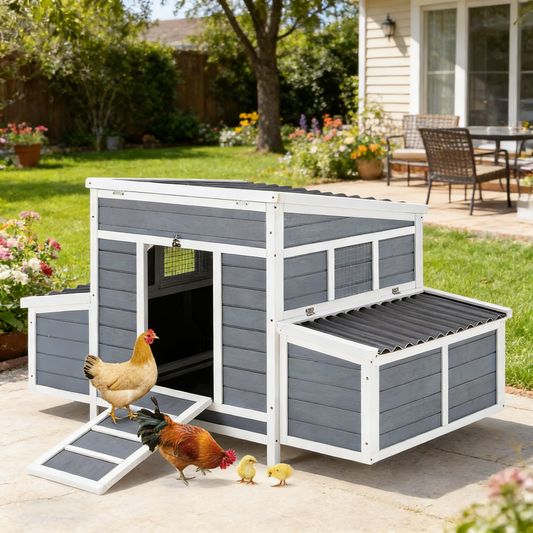
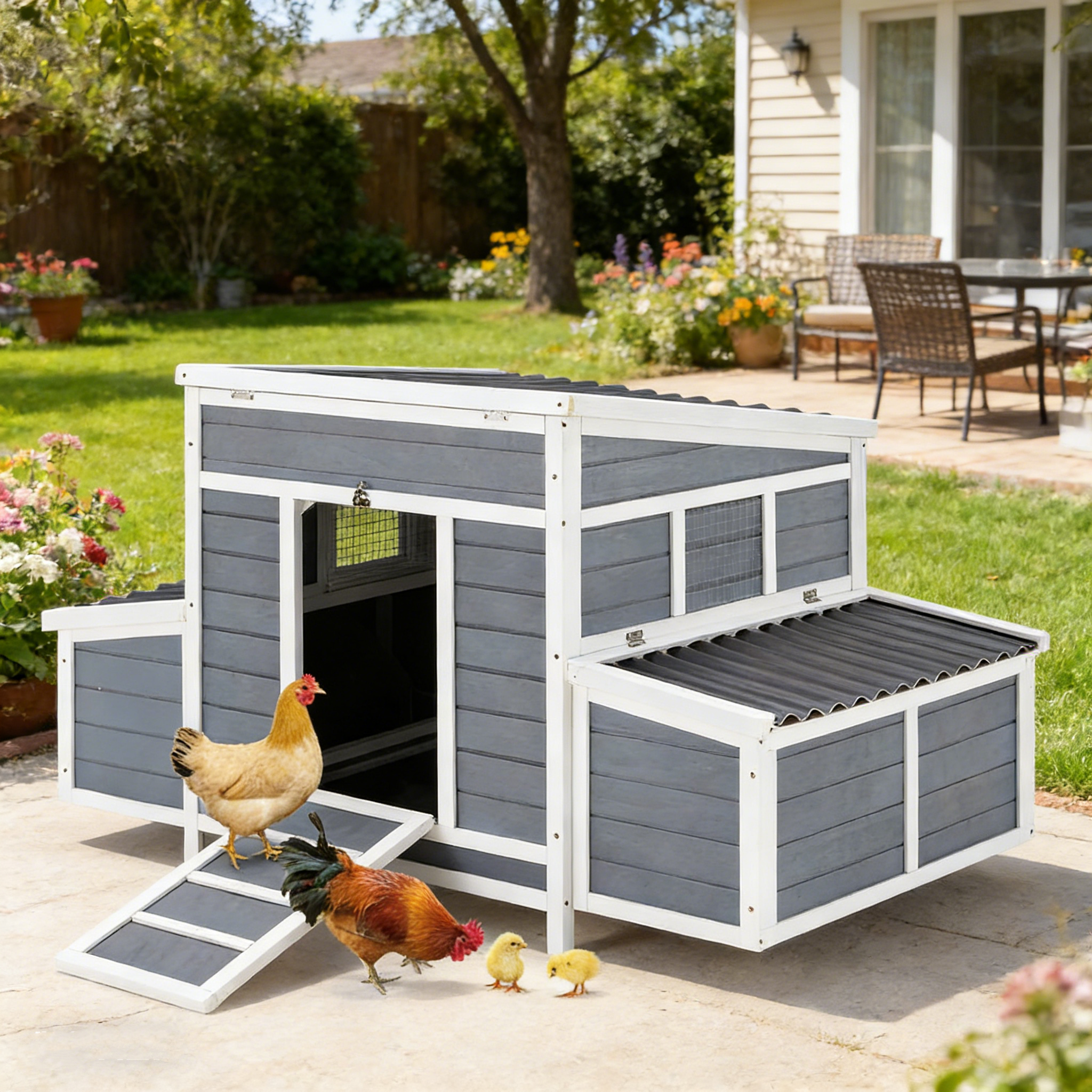
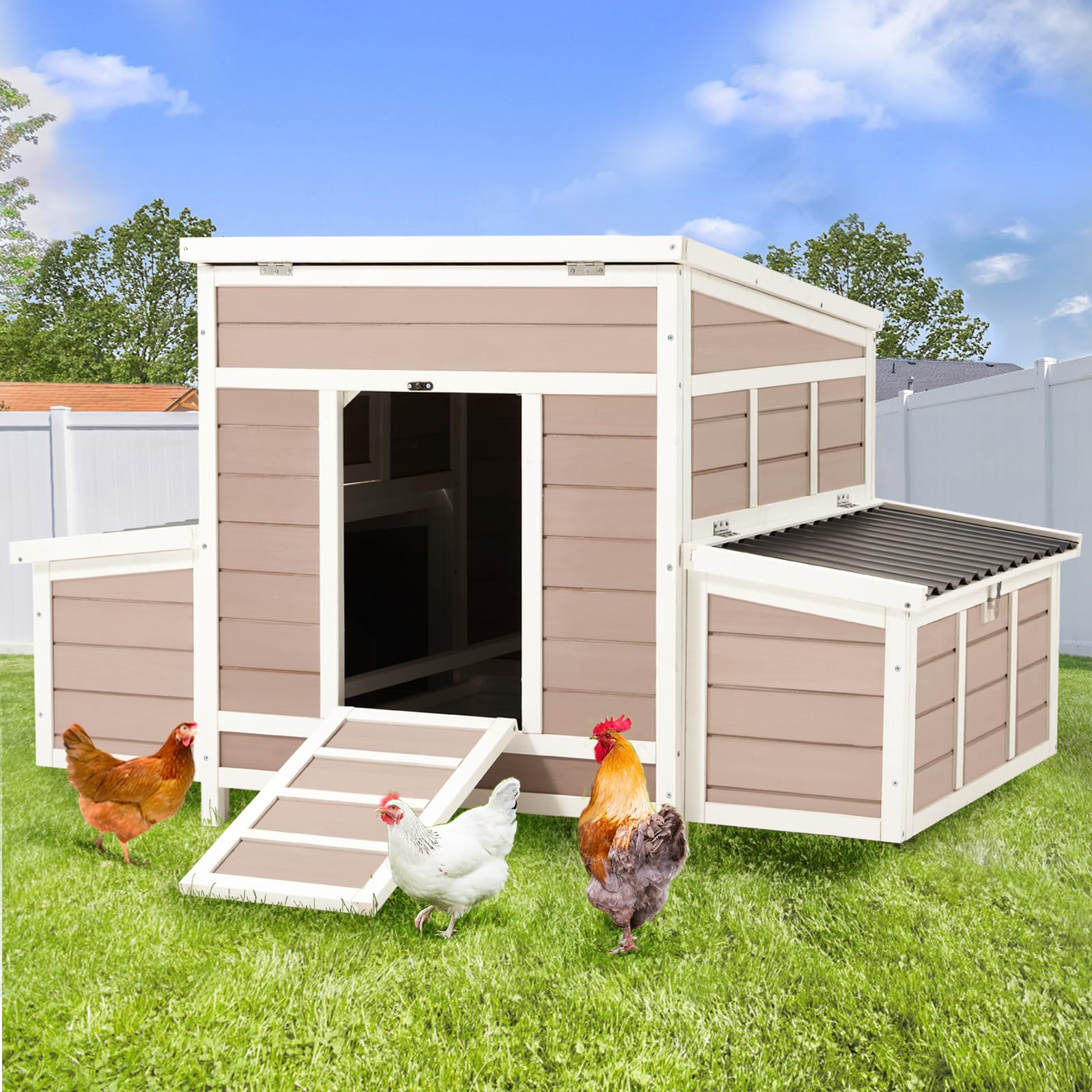
A fixed chicken cage is a solid choice for those with stable chicken-raising plans. If you have a medium to large flock that won't move often, a fixed design is more reliable. The YODOLLA wooden poultry cage is a great fixed option, blending well with backyard settings while offering the sturdiness needed for long-term use.
It's sturdier and can be equipped with permanent facilities like nesting areas and feed storage, which saves you from frequent adjustments. For small farms that focus on long-term chicken raising, a fixed chicken cage also offers better predator resistance, as it can be firmly anchored to the ground.

5. 2 Benefits of a portable chicken cage
Portable chicken cage designs shine when flexibility is needed. Many backyard chicken keepers prefer them because they can be moved to fresh grass areas, letting chickens forage naturally and reducing manure accumulation. This not only keeps the flock healthy but also helps maintain your yard's cleanliness. A portable chicken cage is also easier to store when not in use, making it suitable for those with limited space.
|
Design Type |
Best For |
Core Advantages |
|
Fixed Chicken Cage |
Small farms, large flocks |
Sturdy, permanent, good predator protection |
|
Portable Chicken Cage |
Backyards, small flocks |
Flexible, easy to move, space-saving |
5. 3 Mobility, weight, and ease of relocation
Mobility is the key advantage of a portable chicken cage, so weight matters a lot. The best portable chicken cages use lightweight but durable materials, allowing 1-2 people to move them easily. Avoid adding unnecessary heavy parts—simplicity is key here. For fixed chicken cages, weight and mobility aren't concerns, but ensuring they're firmly installed is crucial to prevent tipping in bad weather.
5. 4 Which design is better for backyard or small farms
Backyards are perfect for portable chicken cages due to their flexibility and space-saving features. Small farms, however, may benefit more from fixed chicken cages if they have larger flocks. If you're new to raising chickens, starting with a portable chicken cage can help you test your needs before investing in a fixed one. Both can be part of the best chicken cages when matched with your actual situation.
Conclusion
To sum up, building a chicken cage that combines safety, comfort, and proper sizing is the foundation of successful chicken raising. From choosing the right materials to designing for ventilation and seasonal comfort, every detail affects your flock's health and your raising efficiency. Whether you opt for a fixed or portable chicken cage, matching the design to your space and flock size is key to getting the most out of your setup.
Planning thoroughly before building a chicken cage saves you both time and money in the long run. Remember the core tips: prioritize durable, weather-resistant materials, ensure adequate space per chicken, and never overlook predator protection. By following this guide, you'll be able to build one of the best chicken cages—one that's long-lasting, chicken-friendly, and tailored to your needs. Investing in a well-designed chicken cage ultimately means a healthier flock and more peace of mind for you.