Choosing the best siding for a storage shed is not just about looks. Most sheds are practical spaces to protect tools, equipment, or seasonal items. The siding you pick determines how well it handles weather, time, and daily use.
Focusing only on upfront cost can lead to regret. Cheap siding may crack, rot, or fade quickly, while overbuilding a simple shed can waste money without real benefits. Balance is key for smart choices.
This guide walks you through real storage shed siding options and explains how different materials perform. You will see how climate, maintenance, and usage affect your decision. By the end, you’ll know which siding fits your budget and needs.
1. How to Define the Best Siding for Storage Shed
The best siding for storage shed means different things to different users. A homeowner storing garden tools has very different needs from someone using a shed as a workshop or small business space. Before choosing materials, it helps to define what “best” really means for your situation.

1.1 Protection Needs of a Storage Shed
At its core, a shed protects what is inside. Siding must block rain, wind, sun, and pests. If water gets in, tools rust and stored items break down fast.
Basic protection priorities include:
- Resistance to moisture and standing water
- Strength against wind and impact
- Ability to block UV damage over time
Some storage shed siding options focus more on looks than protection. Those may work short term but fail under real use.
1.2 Initial Cost vs Long-Term Value
Low upfront cost can be misleading. A siding that needs repainting every year or replacement after a few seasons often costs more in the long run.
Long-term value depends on:
- How often maintenance is needed
- How long the siding lasts before replacement
- Whether repairs are simple or complex
This is why many people now compare vinyl siding storage sheds and metal siding for storage shed use when planning long-term storage.
1.3 Maintenance Effort and Skill Level
Not everyone wants to paint, seal, or repair siding. Your skill level matters more than many people expect. A siding that looks affordable at first can become a burden if it needs frequent care.
Some storage shed siding materials require regular repainting, sealing, or surface checks to prevent moisture damage. Others are designed to stay functional with minimal upkeep. If you run a small business, manage multiple properties, or simply value your time, low-maintenance options often save money indirectly.
It is also worth thinking about access to tools and help. If repairs require special equipment or professional skills, ongoing costs increase fast. For many owners, choosing siding that matches their maintenance ability is key to finding the best siding for storage shed use.
1.4 Storage vs Multi-Use Shed Needs
A shed used only for storage can be simple and functional. Its siding mainly needs to block weather and protect contents. In this case, strength and moisture resistance matter more than appearance or insulation.
However, a multi-use shed changes the equation. If the space is used for light work, hobbies, or daily access, siding must handle more wear and tear. Better airflow, structural stability, and surface durability become important.
Many people underestimate future needs. A shed built for storage today may become a workspace later. Choosing storage shed siding with a bit of flexibility helps avoid costly upgrades down the road and keeps the best siding for storage shed decision future-proof.

2. Best Siding for Storage Shed: Material Comparison
Now that you understand how to define the best siding for storage shed, it's time to look at the materials themselves. Different siding types offer unique benefits and challenges, and the right choice depends on your budget, climate, and usage needs. Comparing storage shed siding options side by side helps you see which material delivers the best balance of protection, maintenance, and long-term value.
2.1 T1-11 Plywood Shed Siding
T1-11 plywood is a classic choice for many storage sheds. Its main advantage is a traditional wood look combined with straightforward installation, making it popular among DIY enthusiasts.
Advantages include:
- Easy to cut and install
- Works well for basic sheds
- Can be painted to match surroundings
While visually appealing, plywood absorbs moisture easily, which can lead to swelling or rot if not properly sealed. Maintenance is important: repainting or resealing every few years helps protect it. For wet climates or sheds storing valuable items, T1-11 may not be the best siding for storage shed long term. Its low upfront cost makes it attractive, but owners should consider future upkeep.
2.2 Engineered Wood Shed Siding
Engineered wood improves on plywood by combining wood fibers with resins or protective coatings. It keeps the natural wood look but adds moisture and insect resistance.
Key benefits include:
- More moisture resistance than plywood
- Consistent texture and strength
- Lower cost than premium wood
Compared to T1-11, engineered wood is more stable and less prone to warping. Occasional sealing or painting keeps it looking good, but it generally lasts longer than untreated plywood. Many homeowners choose this siding when they want durability without the higher cost of metal or vinyl. Engineered wood offers a balanced solution for those who value both aesthetics and function.
2.3 Vinyl Shed Siding
Vinyl siding storage sheds are popular for low maintenance and clean aesthetics. Vinyl does not rot, warp, or attract insects, making it ideal for long-term outdoor use.
Practical advantages include:
- Resistant to moisture and insects
- Easy cleaning with water
- Stable color over time
Vinyl is lightweight, which simplifies installation for DIYers. Cleaning is simple, and repainting is rarely needed. The main drawback is potential cracking under heavy impact or extreme cold. Despite that, vinyl often ranks highly as the best siding for storage shed when low maintenance is a priority and appearance matters.
2.4 Metal Shed Siding
Metal siding for storage shed use is known for strength and durability. Steel panels resist impact, while aluminum siding for storage sheds provides corrosion resistance with lighter weight.
Common benefits include:
- High resistance to fire and moisture
- Long lifespan
- Minimal upkeep
Metal is ideal for sheds exposed to harsh weather or heavy use. Panels interlock tightly, keeping pests and water out. It can also be painted or coated to fit your yard's style. For utility-focused sheds, metal siding often represents the best siding for storage shed, combining long-term protection with low maintenance. Its upfront cost may be higher, but the longevity offsets the initial investment.

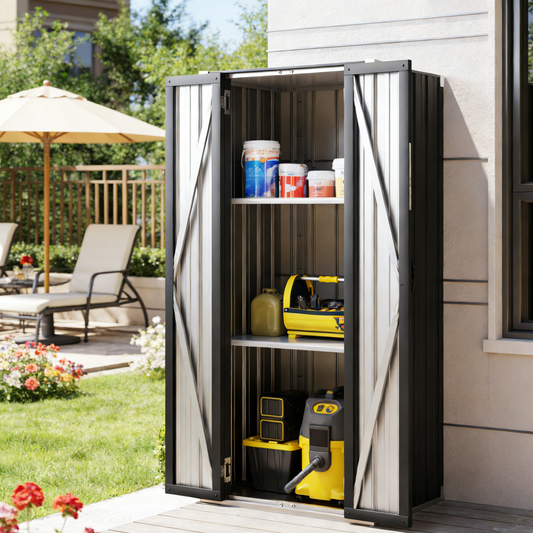
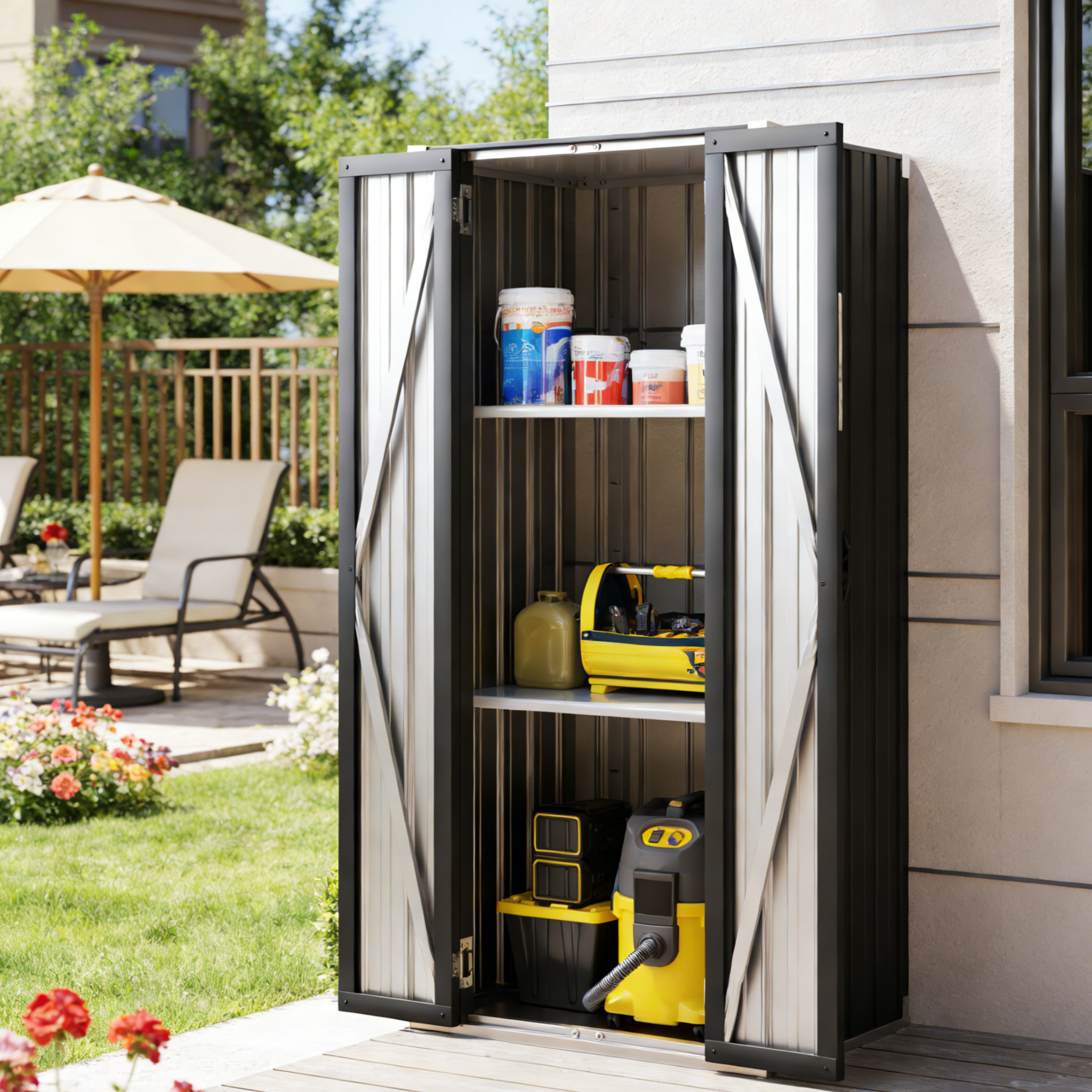
A lean-to outdoor storage shed like this YODOLLA Outdoor Lean to Storage Shed shows how metal siding performs in real use. It stands up well to weather and gives you a solid, lowmaintenance place to store garden tools or outdoor gear. That kind of everyday reliability is exactly what you want when choosing the best siding for a storage shed.
|
Siding Material |
Upfront Cost |
Maintenance Requirement |
Durability |
Best For |
|
T1-11 Plywood |
Low |
High |
Medium (prone to rot if unmaintained) |
Basic sheds, dry climates, DIYers |
|
Engineered Wood |
Medium |
Medium |
Medium-High (moisture-resistant) |
Aesthetic-focused users, balanced durability |
|
Vinyl |
Medium |
Low |
High (rot/insect-proof; brittle in cold) |
Low-maintenance needs, clean appearance |
|
Metal (Steel/Aluminum) |
Medium-High |
Low |
Very High (fire / moisture-proof) |
Harsh weather, heavy use, utility sheds |
3. Climate-Based Choices for the Best Siding for Storage Shed
Choosing the right siding is not only about material type but also about the climate where your shed will be located. Weather conditions affect durability, maintenance needs, and even long-term cost. Considering climate alongside storage shed siding options ensures you get the best siding for storage shed use in any environment.
3.1 Siding for Wet and Humid Climates
For wet or humid areas, moisture resistance is critical. Wood-based siding such as T1-11 or engineered wood may need extra sealing, while vinyl and metal perform much better in these conditions.
Tips for humid climates:
- Vinyl siding storage sheds resist water and rot
- Aluminum siding for storage sheds prevents corrosion
- Ensure proper ventilation to avoid trapped moisture
High humidity can accelerate wood decay, so regular inspections and preventive measures are necessary. Vinyl and metal siding options often require minimal maintenance in these climates, making them practical and reliable choices. Many shed owners in humid areas find that vinyl siding storage sheds are the best siding for storage shed use because they combine durability with low upkeep.
3.2 Siding for Hot and Sunny Areas
Sun exposure can fade colors and weaken certain materials over time. In hot climates, UV resistance is a key factor when evaluating storage shed siding options.
Suggestions for sunny areas:
- Vinyl siding retains color under intense sunlight
- Engineered wood with UV-protective coating reduces fading
- Metal siding with reflective paint can lower heat absorption
Direct sun can also cause warping in untreated wood, while metal and vinyl maintain structure and look. Choosing the best siding for storage shed in hot regions helps avoid frequent repairs and keeps the shed visually appealing for years. Proper shading or placement can further extend siding life in sunny areas.
3.3 Siding for Cold Weather Conditions
In cold climates, siding must withstand freezing temperatures, snow, and ice. Materials that are too brittle may crack, while moisture trapped inside can cause damage when it freezes.
Cold-weather tips:
- Vinyl siding storage sheds handle freeze-thaw cycles well
- Metal siding for storage shed resists snow and ice buildu
- Wood siding requires proper sealing to prevent cracking
Adding insulation behind siding can improve temperature control and prevent condensation issues. Selecting storage shed siding suited for cold weather ensures your shed stays functional and protects contents year-round. Vinyl and metal often provide the most consistent performance under harsh winter conditions.
|
Climate Type |
Recommended Siding Materials |
Key Considerations |
Avoid |
|
Wet/Humid |
Vinyl, Aluminum, Metal |
Moisture resistance, ventilation |
Untreated T1-11 Plywood |
|
Hot/Sunny |
Vinyl, UV-coated Engineered Wood, Reflective Metal |
UV resistance, heat absorption |
Untreated Wood |
|
Cold/Snowy |
Vinyl, Metal |
Freeze-thaw resistance, snow load capacity |
Thin Vinyl |
4. Saving Money on the Best Siding for Storage Shed
Saving money on siding doesn't mean choosing the cheapest option. Upfront cost, installation, and long-term maintenance all affect overall value. By considering thickness, DIY potential, and upkeep, you can get the best siding for storage shed use without overspending.

4.1 Panel Thickness and Cost Efficiency
The thickness of siding panels directly affects durability and insulation. Thicker panels generally last longer and resist impacts better, while thinner panels may save money upfront but need more frequent repairs.
Practical considerations include:
- Thicker vinyl or metal panels reduce denting and warping
- Engineered wood panels balance cost and performance
- Consider your shed's use when choosing panel thickness
In many cases, slightly higher investment in panel thickness pays off over the life of the shed. Cost efficiency comes from combining the right material with proper installation. Panel thickness is a simple way to maximize the best siding for storage shed without excessive expense.
4.2 Installation Cost and DIY Potential
Labor costs can be significant if siding is complicated to install. Choosing materials with simpler installation, like vinyl or lightweight metal, can save both time and money.
Key points to consider:
- DIY-friendly siding reduces professional labor costs
- Interlocking panels or pre-cut boards simplify assembly
- Material weight affects how many people are needed for setup
Many homeowners find that considering installation effort upfront helps avoid frustration and extra costs. Vinyl siding storage sheds and aluminum siding for storage sheds often provide the best balance of DIY potential and durability. This makes them ideal for budget-conscious owners.
4.3 Reducing Long-Term Maintenance Costs
Maintenance costs over the years often surpass initial investment. Materials like vinyl and metal minimize painting, sealing, or repairs. Wood siding may require more attention, adding time and cost.
Strategies for long-term savings:
- Select low-maintenance materials for frequent-use sheds
- Apply protective coatings where needed
- Inspect and clean periodically to avoid costly repairs
By factoring in upkeep, owners can ensure they get the best siding for storage shed while keeping long-term costs manageable. Choosing wisely reduces stress and maximizes the value of your investment.
A lean-to outdoor storage shed like this YODOLLA Outdoor Open-Sided Storage Shed is a good example of how durable siding can keep maintenance low over time. It handles weather well and gives you a tidy spot for tools or outdoor gear without constant upkeep. That kind of everyday convenience makes it easier to keep longterm costs down.
5. Mistakes to Avoid When Choosing Shed Siding
Even with careful planning, mistakes can happen when selecting siding. Choosing based solely on price or appearance can lead to durability issues or high maintenance. Avoiding common errors ensures your storage shed siding lasts and performs as intended.
5.1 Choosing the Cheapest Option
Opting for the lowest price may seem attractive, but it often sacrifices durability. Thin wood, low-grade vinyl, or untreated panels can deteriorate quickly under harsh weather.
Tips to avoid cost traps:
- Compare long-term maintenance vs upfront cost
- Evaluate panel thickness and material quality
- Focus on best siding for storage shed that balances cost and durability
Investing slightly more initially can save substantial repairs later. Many shed owners find that avoiding the absolute cheapest siding provides better protection and peace of mind.
5.2 Ignoring Climate and Moisture Control
Ignoring local weather conditions can lead to premature siding failure. Humid areas, heavy snow, or strong sun all affect how materials perform over time.
Key points:
- Select siding suited to local conditions
- Ensure ventilation and moisture control
- Consider vinyl or metal for wet or extreme climates
Proper planning keeps your shed in good condition. Climate-adapted siding often proves the best siding for storage shed use, avoiding frequent repairs or replacements.

5.3 Overbuilding a Simple Storage Shed
Not all sheds require the heaviest or most expensive siding. Overbuilding can waste money and time. For simple storage, lightweight vinyl or basic engineered wood may suffice.
Practical advice:
- Match siding to the shed's intended use
- Avoid unnecessary reinforcement or overly thick panels
- Focus on functionality and cost-effectivenes
Balancing durability and simplicity ensures you get the best siding for storage shed without overspending or complicating installation. Thoughtful planning prevents overkill and keeps the shed practical.
Conclusion
The best siding for storage shed is not about trends or marketing claims. It is about matching material performance with real needs. Protection, maintenance effort, climate, and budget all matter.
Storage shed siding options like vinyl, metal, engineered wood, and aluminum each solve different problems. Vinyl siding storage sheds work well for low maintenance. Metal siding for storage shed use offers strength and long life. Aluminum siding for storage sheds adds corrosion resistance with lighter weight.
By thinking long term and avoiding common mistakes, you can choose storage shed siding that protects your investment without overspending. A smart choice today means fewer repairs, lower costs, and a shed that works exactly as intended for years to come.