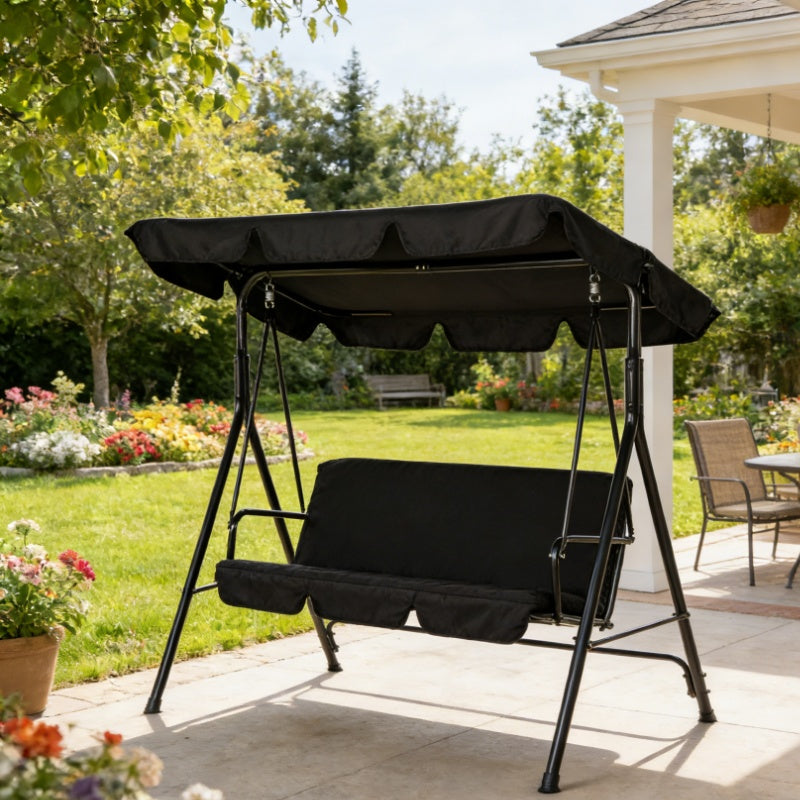
Choosing the best outdoor gazebo materials for an all-season backyard is crucial to ensuring that your gazebo withstands various weather conditions year-round. Whether you are dealing with heavy rain, heavy snow, or scorching summer heat, selecting the right gazebo materials and gazebo roof materials ensures the structure's durability and comfort. This article will guide you through different gazebo building materials, helping you make informed decisions based on your specific climate needs.
Understanding the importance of gazebo roof materials and frame materials is key to enjoying your outdoor space for years to come. Let's explore why selecting the right materials for your gazebo is a game-changer in outdoor comfort and protection.
1. Why All-Season Gazebo Materials Matter?
When selecting a gazebo for your backyard, it's not just about aesthetics-it's about durability and protection. The best gazebo material needs to be able to handle a variety of weather conditions, from the scorching heat of summer to the cold, wet winters.
Each type of material used in gazebo building materials serves a different purpose, ensuring that the structure remains sturdy and functional no matter the weather. Opting for materials that can withstand multiple seasons will save you from frequent repairs or replacements.
In addition to protection, the material of your gazebo also affects the overall comfort of the space. For instance, gazebo roof materials play a major role in temperature regulation and rain protection. A poorly chosen material may lead to uncomfortable heat in summer or leaks during heavy rain, making your outdoor experience less enjoyable.

2. Understanding the Challenges of All-Season Gazebo Materials
When selecting the right gazebo materials, it's crucial to consider the unique challenges that different weather conditions present. From heavy rain to intense summer heat and winter snow, each element can take a toll on your gazebo's frame and roof. In the following sections, we will explore how specific weather challenges affect gazebo materials and why choosing the right material for each season is so important.
2.1 The Challenges of Rain, Snow, and Summer Heat
Different climates present different challenges that can affect the integrity of your gazebo materials. Here's how different weather conditions impact your gazebo:
- Rain: Water damage can cause wood to warp, rot, and become a breeding ground for mold, while some metals may rust. Choosing water-resistant materials like polycarbonate or steel roofs can help prevent these issues.
- Snow: Accumulating snow puts stress on roofs, especially soft-top structures or poorly constructed frames. A galvanized steel roof or polycarbonate roof can provide a strong, weather-resistant barrier to prevent damage.
- Summer Heat: Extended exposure to heat can warp or fade certain materials, especially wood and fabric. Materials like aluminum and polycarbonate roofs offer UV protection to keep the interior cooler and more comfortable.
2.2 What Happens When You Choose the Wrong Material?
Using the wrong gazebo material can lead to a variety of issues. A gazebo roof material that's not designed for your region's weather could result in leaks, cracking, or fading.
For instance, wood can warp over time when exposed to excessive moisture, while poor-quality fabric roofs may tear under heavy rain or wind. Not only does this shorten the life of the gazebo, but it can also lead to costly repairs or replacements.
You might also consider a gazebo like the YODOLLA Outdoor Pergola, which is perfect for creating a cozy and stylish outdoor space. Its durable construction and sleek design make it a great option for those who want both functionality and aesthetics in their backyard setup.
Choosing a material suited to your specific climate helps avoid these problems and ensures your gazebo remains functional for many seasons.
2.3 Frame vs Roof: Why Both Materials Matter?
The frame and roof of your gazebo work in tandem to provide shelter and stability. Both materials need to be chosen carefully to ensure your gazebo is functional, durable, and weather-resistant.
- Frame materials (steel, aluminum, or wood) provide the structural support to withstand winds, snow, and rain.
- Roof materials (polycarbonate, galvanized steel, or fabric) protect from UV rays, rain, and snow.
The choice of frame materials often influences your choice of roof materials. For example, steel frames might support heavier, more durable roofing materials, while aluminum frames are better paired with lighter roofing options like fabric or polycarbonate.

3. Evaluating Different Gazebo Frame Materials
Choosing the right gazebo frame material is just as important as selecting the proper roof. The frame is responsible for the structure's overall stability and strength, and different materials offer distinct advantages depending on your local climate. Here, we explore the most common materials used for gazebo frames and what makes each one unique.
3.1 Steel Frame Gazebos
Steel frames are known for their exceptional strength and durability, making them a reliable option for long-term outdoor use.. Here's why steel is a solid choice for many:
- Strength: Steel can withstand heavy snow and high winds, making it ideal for harsher climates.
- Longevity: Galvanized steel is resistant to rust and corrosion when properly maintained.
- Stability: The robust nature of steel offers long-term security for your gazebo.
However, while steel frames are built to last, they can still rust over time if exposed to moisture without proper maintenance, especially in areas with high humidity or rain. Regular touch-ups or protective coatings are recommended to prevent corrosion.
3.2 Aluminum Frame Gazebos
Aluminum frames are lighter, rust-resistant, and easy to handle, making them an ideal choice for areas that don't experience extreme weather conditions.
- Rust-resistant: Ideal for regions with high humidity or rainfall.
- Lightweight: Easier to assemble and move around.
- Moderate durability: While aluminum is strong, it may not handle extreme conditions as well as steel
For areas that experience mild to moderate weather, aluminum frames provide a cost-effective and low-maintenance option without compromising durability.
3.3 Wooden Gazebo Frames
Wooden frames offer a classic, natural appearance that blends seamlessly with outdoor gardens and rustic settings, making them a popular choice for those who value aesthetics.
- Aesthetic appeal: Offers a classic, elegant appearance.
- Customization: Can be stained or painted to match your outdoor décor.
- Maintenance: Wood needs regular treatment to avoid rot and decay, especially in humid or rainy climates.
Wood is an excellent option for mild climates, but it demands more attention than metal frames, especially in regions with high moisture levels or frequent rainfall.

4. Exploring Popular Gazebo Roof Materials
The roof of your gazebo is the first line of defense against the elements. Whether you're shielding yourself from rain, snow, or the sun, the right gazebo roof material can significantly impact the functionality and longevity of your structure. This section will highlight the most popular materials used for gazebo roofs, along with their benefits and drawbacks.
4.1 Galvanized Steel Roof
A galvanized steel roof is one of the most durable and weather-resistant options available, making it ideal for all-season use.
- Durability: Steel is resistant to rust and corrosion, making it a perfect fit for rainy or snowy climates where moisture can easily damage other materials. The coating on galvanized steel ensures long-lasting protection from the elements.
- Strength: Steel roofs can support heavy snow loads without warping or collapsing, which makes them an excellent choice for areas with harsh winters or frequent snowfall.
- UV Protection: Galvanized steel offers excellent UV protection, ensuring that the area underneath stays cooler during sunny weather, preventing heat buildup and enhancing comfort.
However, while steel roofs are highly durable, they can heat up quickly under direct sunlight, which might make the gazebo too warm during the summer months, especially in areas with intense heat.
4.2 Polycarbonate Roof
Polycarbonate roofs are highly popular due to their lightweight yet durable nature, offering an excellent balance between protection and ease of installation.
- UV protection: Polycarbonate blocks harmful UV rays, making it ideal for sunny climates.
- Lightweight: These roofs are easy to install and maintain, offering a quick and hassle-free setup for those looking for a low-maintenance option.
- Weather-resistant: Polycarbonate is durable against rain and snow, though it may not be as strong as galvanized steel, meaning it may not be suitable for areas with extreme weather conditions or heavy snow loads.
Polycarbonate roofs are an attractive option because they offer a good balance between light transmission and weather resistance, making them perfect for those who want a bright and airy outdoor space without sacrificing protection.
4.3 Fabric Canopy Roof
Fabric canopy roofs are a popular choice for gazebos, offering flexibility, aesthetic appeal, and a lightweight design.
- Shade: Fabric roofs provide excellent shade and some protection from light rain.
- Easy to replace: One of the biggest advantages of fabric canopies is their easy replacement. If damaged, the fabric can be replaced relatively easily and at a lower cost than other materials.
- Not ideal for extreme weather: Fabric roofs may not handle heavy snow or wind well, making them more suited for mild climates.
While fabric roofs are an affordable and easy-to-install option, they require regular maintenance and occasional repairs to ensure they remain functional and looking their best. They're perfect for those looking for a flexible, cost-effective option for seasonal use.

5. Best Material Combinations for Different Climates
Every region experiences different weather patterns, which is why choosing the right combination of gazebo frame and roof materials is essential. Whether you live in a snowy area, a humid region, or a hot climate, certain material combinations will offer better performance. This section will guide you on the best material pairings for your local weather conditions.
5.1 Best Gazebo Materials for Snowy Regions
In snowy climates, it’s crucial that the gazebo frame is designed to support the weight of accumulated snow.
The frame should be robust enough to withstand the added pressure without buckling or warping. Additionally, the roof material must be durable and strong enough to handle heavy snow loads, preventing any damage or collapse.
|
Material Combination |
Benefits |
|
Steel Frame + Galvanized Steel Roof |
Maximum strength and support for snow and wind. |
|
Aluminum Frame + Polycarbonate Roof |
Lightweight but still durable against snow. |
5.2 Best Gazebo Materials for Rainy and Humid Areas
For regions with high rainfall or humidity, aluminum frames paired with polycarbonate roofs are ideal choices. Aluminum is naturally resistant to rust and corrosion, making it perfect for wet conditions where moisture can quickly cause damage to other materials.
Polycarbonate roofs are highly effective in blocking UV rays and can withstand heavy rainfall without warping or deteriorating. Their durability in rainy climates ensures that the gazebo will provide consistent protection without the risk of leakage.
Additionally, aluminum requires minimal maintenance, which is a big advantage for homeowners in rainy or humid regions. Unlike wood or other metals, aluminum won't rot or rust, making it a reliable and long-lasting option for year-round use.
5.3 Best Gazebo Materials for Hot Summer Climates
If you live in a hot climate, choosing the right gazebo materials can make a significant difference in keeping the space cool. Aluminum frames paired with a polycarbonate roof are an excellent choice for hot weather, as these materials provide both UV protection and allow for better ventilation. This combination prevents the gazebo from becoming too hot, even under the harsh sun, creating a comfortable outdoor retreat.
Additionally, aluminum is a great option because it doesn't absorb as much heat as other materials like steel or wood. This helps to maintain a cooler temperature inside the gazebo during the hottest parts of the day. The polycarbonate roof also acts as a barrier, blocking UV rays while still letting natural light filter through, providing shade and protection without trapping excess heat.
If you're looking for a versatile and durable outdoor shelter, the YODOLLA Lean-To Gazebo is a great choice. Its sleek, practical design provides reliable shade and weather protection, making it perfect for patios or backyards. This gazebo combines modern style with long-lasting materials to ensure your outdoor space remains comfortable throughout the year.

6. Long-Term Durability and Maintenance of Gazebo Materials
While durability is key to a gazebo's longevity, maintenance is equally important in ensuring it stands the test of time. The right material combination can reduce your overall maintenance costs and keep your gazebo looking good year after year. This section discusses the long-term value of different gazebo materials and how to ensure your structure stays in prime condition for as long as possible.
6.1 Which Gazebo Material Lasts the Longest?
When considering the long-term durability of a gazebo, certain materials stand out for their ability to withstand the elements with minimal upkeep. Here's a breakdown of materials that offer superior longevity:
- Galvanized Steel and Polycarbonate are among the most durable materials, requiring minimal maintenance and offering excellent weather resistance.
- Aluminum Frames also last long, resisting rust and corrosion, though they might not be as sturdy as steel.
- Wooden Frames, while aesthetic, require regular treatment to prevent rot, especially in humid climates.
Overall, galvanized steel frames and polycarbonate roofs are the best materials for longevity, as they require minimal maintenance and can handle harsh weather conditions without deteriorating quickly.
6.2 Common Mistakes When Choosing Gazebo Materials
One common mistake is not considering the local climate. For example, fabric roofs in snowy areas or wood frames in humid regions can lead to faster deterioration. It's essential to choose materials suited to your environment.
Another mistake is mismatching frame and roof materials. A wood frame with a polycarbonate roof, for example, can result in moisture buildup and rot if not properly maintained, leading to premature wear and tear.
Conclusion
Selecting the best gazebo material involves evaluating several key factors, such as climate conditions, aesthetic preferences, and the level of maintenance you're willing to commit to. Whether you choose steel, aluminum, or wood for the frame, each material offers distinct benefits. Steel frames provide exceptional strength, while aluminum is lighter and resistant to rust. Wood, on the other hand, offers a natural, rustic appeal but requires more upkeep.
Similarly, the choice of roof materials-from galvanized steel to polycarbonate or fabric-will determine your gazebo's durability and performance. Galvanized steel is best for extreme weather conditions, while polycarbonate offers a balance of UV protection and lightness, and fabric can provide an affordable and flexible option for milder climates. By understanding these differences, you can select the material that aligns with both your practical and aesthetic needs.