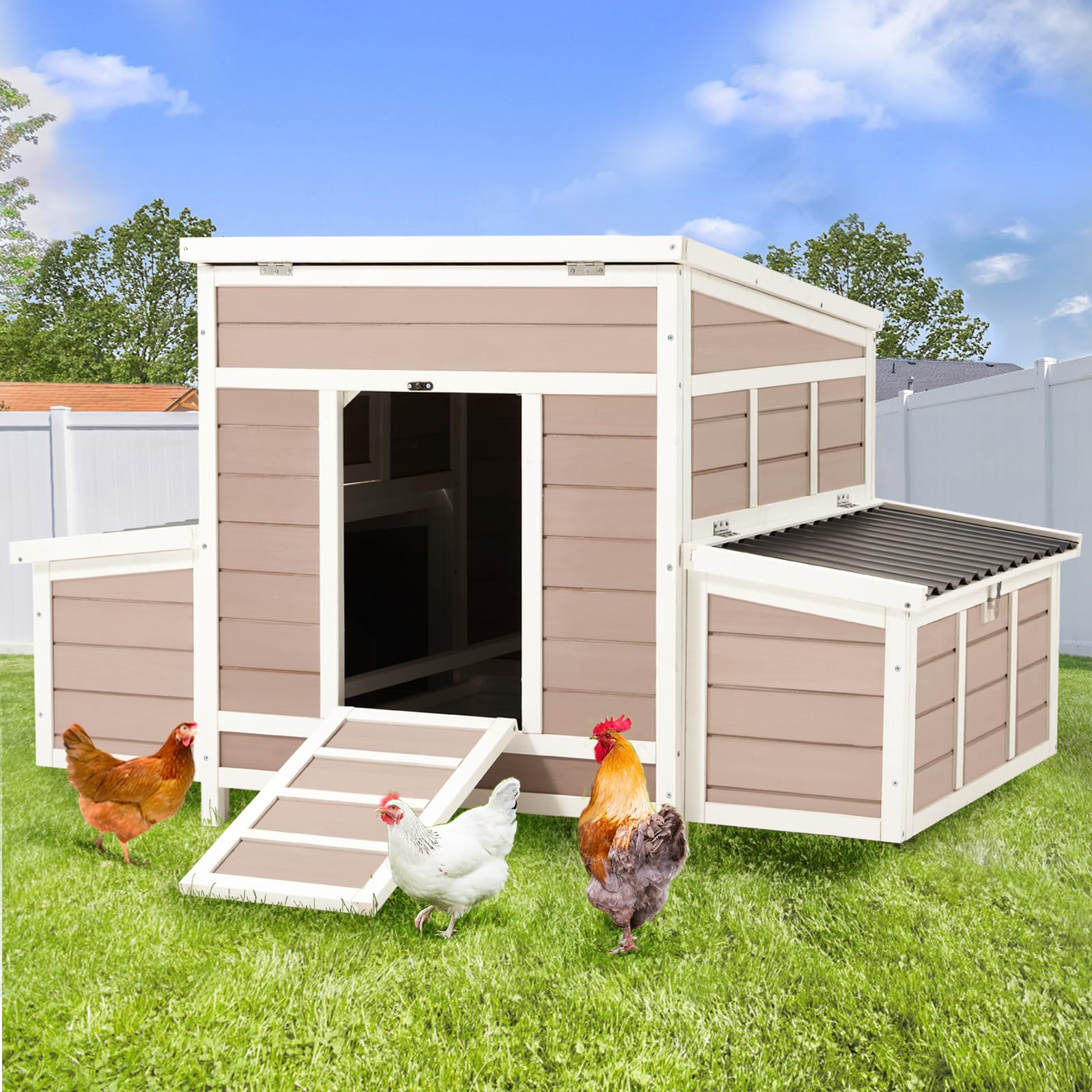
In 2026, more families and small business owners are turning to backyard poultry. Rising egg prices, food safety concerns, and the desire for extra income are pushing people to learn how to raise chickens the right way. The good news is, you don't need a farm or special skills to get started. With clear planning and a simple system, anyone can build a steady egg supply at home.
Whether you are thinking about a small backyard chicken coop or exploring large chicken coops for a rural property, success begins with understanding the basics. From choosing breeds to setting up the best chicken coop, every step matters. This guide will walk you through each stage in a practical way.
Let's start from the very beginning: planning.
1. Plan Before You Start: Laws, Budget & Goals
Before buying chicks or building large chicken coops, you need a clear plan. Many beginners fail not because chickens are hard to raise, but because they skip this step. If you truly want to understand how to raise chickens efficiently, planning is your first investment.

1.1 Check Local Chicken Laws and HOA Rules
Rules are different in every city. Some areas allow hens but not roosters. Others limit the number of birds. Homeowners Associations (HOA) may also have restrictions on backyard chicken coop designs.
Here's what you should confirm:
|
Item to Check |
Why It Matters |
|
Number of chickens allowed |
Avoid fines |
|
Distance from neighbors |
Prevent complaints |
|
Rooster policy |
Noise control |
|
Waste management rules |
Health compliance |
A quick phone call to your local office can save months of trouble. Many people who search for how to raise chickens forget this simple step.
1.2 Define Your Purpose: Eggs, Meat, or Both
Your goal decides everything, from breed choice to coop size. Before spending money, ask yourself a simple question: why are you raising chickens?
Are you raising chickens for daily fresh eggs for your family? Do you want to reduce grocery costs? Or are you planning to sell eggs or meat as a small side business? Your purpose changes your entire setup.
- Egg-focused farms need high-laying breeds.
- Meat birds grow faster but eat more.
- Dual-purpose breeds balance both.
If you only want eggs for home use, a small backyard chicken coop is enough. If you plan to sell eggs or meat, you may need larger chicken coops and more land. Clear goals help control costs and avoid waste.
1.3 How Much Does It Cost to Raise Chickens in 2026?
Costs depend mainly on scale and management style. In 2026, feed remains the biggest ongoing expense for most chicken keepers. Housing construction or setup is usually the largest one-time investment.
Health care, bedding, and basic equipment are smaller costs, but they add up over time. Many beginners underestimate feed consumption, especially when birds grow quickly.
Below is a simple cost structure overview:
|
Category |
One-Time or Ongoing |
|
Coop construction |
One-time |
|
Feed |
Ongoing |
|
Bedding |
Ongoing |
|
Vaccination & care |
Ongoing |
|
Equipment |
One-time |
Many beginners overspend on fancy housing or decorations. Remember, the best chicken coop is not the most expensive one. It is the one that protects your birds, allows easy cleaning, and matches your real needs.
With planning, goals, and budget in place, you are now ready to choose the right chickens with confidence.
2. Choose the Right Chickens for Beginners
Now that your goals are clear, it's time to choose the birds. This step is where many beginners feel confused, especially when they see so many breeds available in the market.
If you truly want to understand how to raise chickens the right way, breed selection is not something you should rush. The right birds will make daily care easier, egg production more stable, and management less stressful.

2.1 Best Chicken Breeds for First-Time Owners
Some breeds are calm, strong, and good egg layers. These types of chickens adapt well to different climates and are less sensitive to small management mistakes.
For beginners learning how to raise chickens, choosing a stable and friendly breed reduces many early problems. Nervous or aggressive birds can create stress, especially in a backyard chicken coop where space is limited.
|
Breed Type |
Personality |
Egg Production |
|
Brown egg layers |
Calm |
High |
|
White egg layers |
Active |
Very high |
|
Dual-purpose |
Friendly |
Moderate |
When birds are relaxed, they eat better and lay more consistently. That is why breed personality is just as important as egg numbers.
2.2 How Many Chickens Should You Start With?
For beginners, 3-6 hens is a safe number. Chickens are social animals, and raising only one is not recommended because they may become stressed or lonely.
Managing fewer birds helps you understand feeding, cleaning, and egg collection routines. When you clearly understand how to raise chickens on a small scale, expansion becomes much easier and less risky.
A simple rule:
- 3-4 hens: good for family egg supply
- 5-10 hens: small surplus for sharing or selling
When people research how to raise chickens for profit, they often underestimate labor and daily attention. Start small, build confidence, then grow step by step.
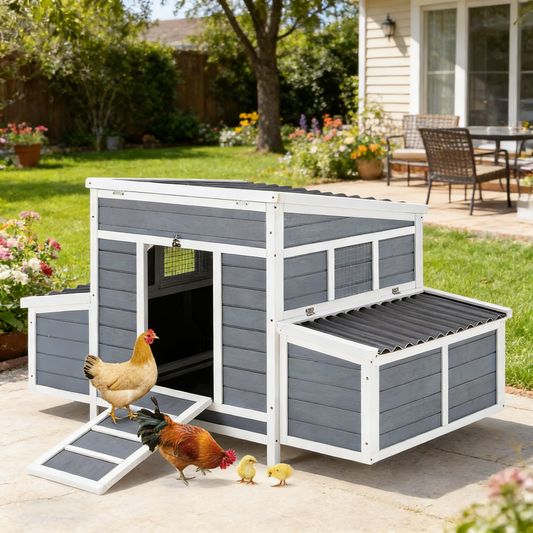
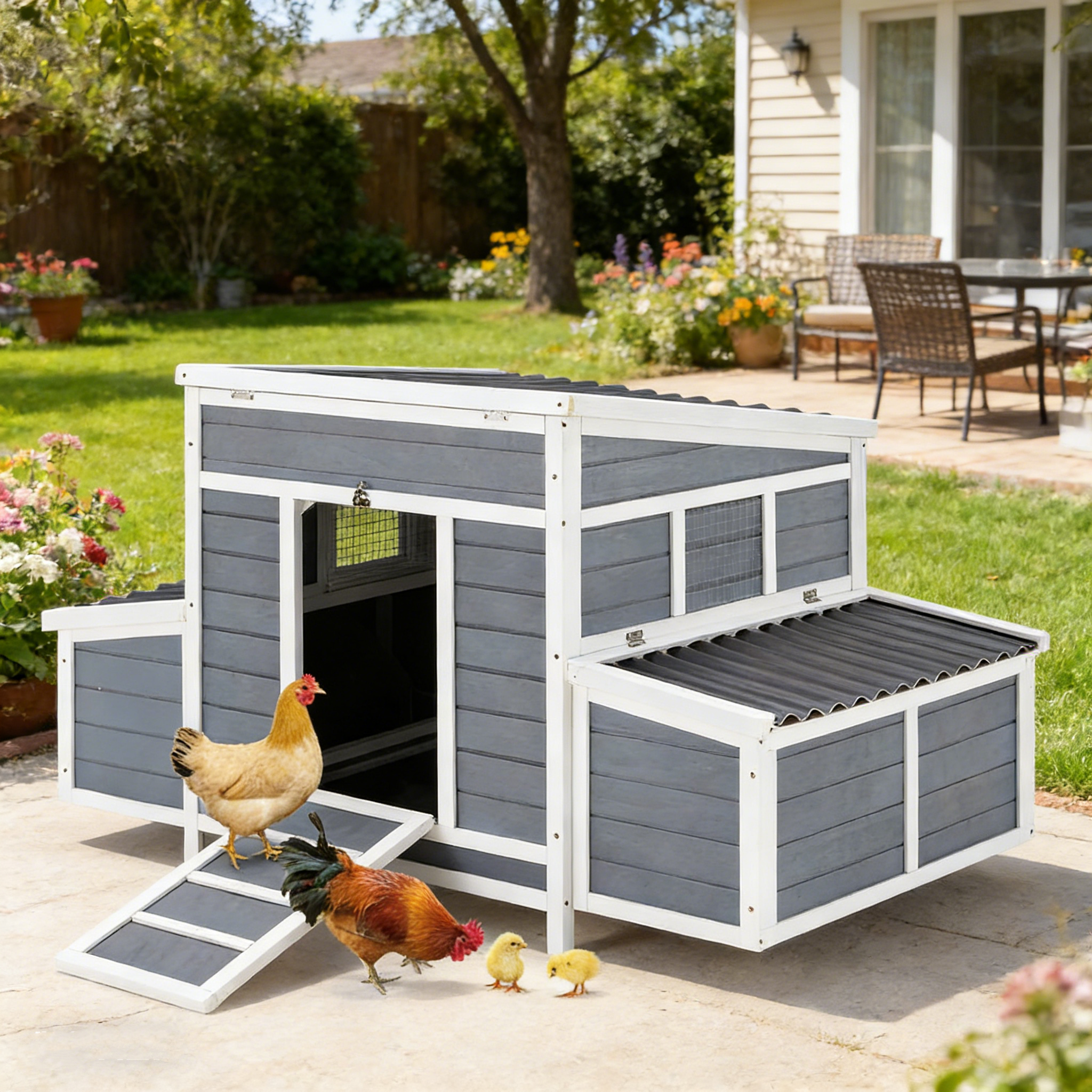
A solid home makes learning how to raise chickens much easier, especially when you're getting your first flock. Something like the YODOLLA Chicken Coop gives your hens a comfortable, secure place to roost and lay, which can help keep daily care simple and stress-free.
2.3 Where to Buy Healthy Chicks?
You can buy from local hatcheries, farm supply stores, or trusted breeders in your area. Choosing a reliable source reduces disease risk and improves survival rates.
Healthy chicks should be bright-eyed and clean around the vent area. Their feathers should look smooth and dry, not dirty or wet.
If possible, ask about vaccination history and feeding practices. Disease prevention starts from day one, especially when raising birds in a backyard chicken coop where space may be limited.Once your birds are chosen and confirmed healthy, housing becomes your next big decision.
3. Building a Safe & Efficient Chicken Housing System
Housing protects your investment and directly affects your chickens' health and productivity. Whether you choose a small backyard chicken coop or plan for large chicken coops in the future, safety and ventilation must come first.
If you truly want to master how to raise chickens, never ignore housing quality. A weak structure or poor airflow can quickly lead to disease, stress, and production loss.

3.1 Choosing the Right Chicken Coop
The best chicken coop should provide enough space for movement and resting. It must also allow fresh air to circulate while keeping rain and wind out.A well-designed coop makes cleaning easier and reduces daily labor. When housing is practical, long-term management becomes much smoother.
- Good airflow
- Dry flooring
- Easy cleaning access
- Safe nesting boxes
Below is a basic coop feature checklist:
|
Feature |
Why Important |
|
Ventilation |
Prevent disease |
|
Raised floor |
Avoid moisture |
|
Nest boxes |
Clean egg collection |
|
Secure door |
Predator safety |
Large chicken coops are useful for commercial or expansion plans. However, for most families learning how to raise chickens, a properly built backyard chicken coop is more than enough.
The key is not size alone, but structure, dryness, and ease of maintenance. A simple but strong design often performs better than a complicated one.
3.2 Predator-Proofing Your Setup
Predators are a real threat, even in urban areas. Dogs, foxes, raccoons, and rats can attack chickens, especially at night.One small gap in fencing can lead to serious losses. Many beginners underestimate this risk until it happens.
Important protection steps:
- Use strong wire mesh
- Lock doors at night
- Bury fencing underground
Many people fail in how to raise chickens successfully because they lose birds to predators. Prevention always costs less than replacing chickens.A secure backyard chicken coop protects not only your birds, but also your confidence as a beginner.
3.3 Essential Equipment Checklist
Proper equipment makes daily work easier and cleaner. Without the right setup, feeding and watering quickly become messy and time-consuming.Simple tools reduce waste and improve hygiene. That directly supports egg production and bird health.
|
Equipment |
Purpose |
|
Feeder |
Clean feeding |
|
Waterer |
Fresh water supply |
|
Bedding |
Absorb waste |
|
Heat lamp (for chicks) |
Warmth |
Keep things simple and practical. The best chicken coop is clean, dry, and easy to manage.When your housing system is stable, daily care becomes much more predictable and less stressful.
4. Nutrition, Health & Daily Management
Feeding and routine care decide whether your chickens thrive or struggle. Even the best chicken coop cannot fix poor nutrition or inconsistent management.
Understanding feed stages is a big part of how to raise chickens properly. Healthy feeding leads to steady growth and better egg output.

4.1 Feeding Program by Growth Stage
Chickens need different feed at different ages because their bodies change quickly. Young chicks need more protein, while laying hens require balanced nutrients for egg production.
Using the wrong feed for the wrong stage can slow growth or reduce laying rates. Paying attention here saves money in the long run.
|
Stage |
Feed Type |
Protein Level |
|
0-6 weeks |
Starter |
High |
|
6-18 weeks |
Grower |
Medium |
|
Laying stage |
Layer feed |
Balanced |
Clean water must always be available. Dirty water spreads disease faster than most beginners expect.Whether you manage a backyard chicken coop or large chicken coops, water hygiene should never be ignored.
4.2 Daily & Weekly Maintenance Routine
Chickens respond well to routine and consistency. When feeding and cleaning happen at regular times, birds stay calmer and healthier.Good routines also help you notice problems early. Small signs of illness are easier to detect during daily checks.
Daily tasks:
- Refill feed and water
- Collect eggs
- Quick health check
Weekly tasks:
- Replace bedding
- Clean feeders
- Inspect backyard chicken coop structure
Consistency is the secret to success. Many people searching how to raise chickens think it is complicated, but in reality, it is about simple habits done every day.Stable routines reduce stress for both you and your chickens.
4.3 Preventing Common Diseases
Disease prevention starts with cleanliness and proper space management. Overcrowding increases stress and infection risk.Moisture is another hidden problem in many backyard chicken coop setups. Wet bedding creates bacteria and respiratory issues.
Key points:
- Keep coop dry
- Avoid overcrowding
- Separate sick birds
Large chicken coops must have good ventilation to reduce respiratory problems. Fresh air is one of the cheapest and most effective health tools.Healthy birds eat better, grow faster, and lay more eggs, which leads directly to better results.
5. Egg Production & Long-Term Success Strategy
At this stage, you already understand how to raise chickens in a stable and organized way, and you have built a routine that keeps your birds healthy and calm.
Now it's time to shift your attention from basic survival to consistent production and long-term planning.The way you manage feeding, lighting, and housing today will directly determine how steady and profitable your egg supply will be next year.

5.1 When Will Chickens Start Laying Eggs?
Most hens begin laying at 18-24 weeks of age. However, timing can vary slightly depending on breed and environment.
Light exposure plays a big role in egg production. Around 14-16 hours of light daily supports more consistent laying.Egg size increases over time. Early eggs may be smaller, but this is completely normal and improves as hens mature.
Patience during this stage is important, especially for beginners learning how to raise chickens for the first time.
For many backyard setups, a thoughtfully designed home like the YODOLLA Extra Large Chicken Coop with Run gives your flock a secure place to roost and lay, making daily care and egg collection feel easier and more consistent.
5.2 How to Maximize Egg Production Naturally
You don't need complicated systems or expensive tools. Strong basics usually deliver the best results.Balanced nutrition, clean housing, and low stress create stable production.
- Balanced nutrition
- Clean backyard chicken coop
- Low stress environment
Here is a simple performance influence table:
|
Factor |
Impact on Eggs |
|
Nutrition |
High |
|
Light |
High |
|
Stress |
Medium |
|
Breed genetics |
High |
The best chicken coop design supports airflow and comfort. When birds feel safe and relaxed, they lay more consistently.Whether you manage a small backyard chicken coop or plan to expand into large chicken coops, comfort always drives performance.
5.3 Seasonal & Long-Term Management
Egg production naturally drops during winter or molting periods. This is a normal biological cycle and not a failure in management.Cold weather, shorter daylight, and feather replacement all affect laying rates. Planning for these changes helps avoid unnecessary worry.
Long-term strategies include:
- Replacing older hens
- Expanding into large chicken coops if demand grows
- Keeping production records
Learning how to raise chickens is not a one-time skill. Experience improves decision-making and increases profitability over time.With steady routines, smart housing, and patient management, your chicken project can remain productive for many years.
Conclusion
Raising chickens in 2026 is not just a trend. It is a practical solution for food security and small business growth. Once you understand how to raise chickens step by step, the process becomes simple and predictable.
Start with a clear plan. Choose the right breeds. Invest in the best chicken coop you can manage. Keep your backyard chicken coop clean and safe. If your goal grows, scale into large chicken coops with confidence.Success comes from steady routines, not complicated systems.
Take the first step today. Your first fresh egg may be closer than you think.