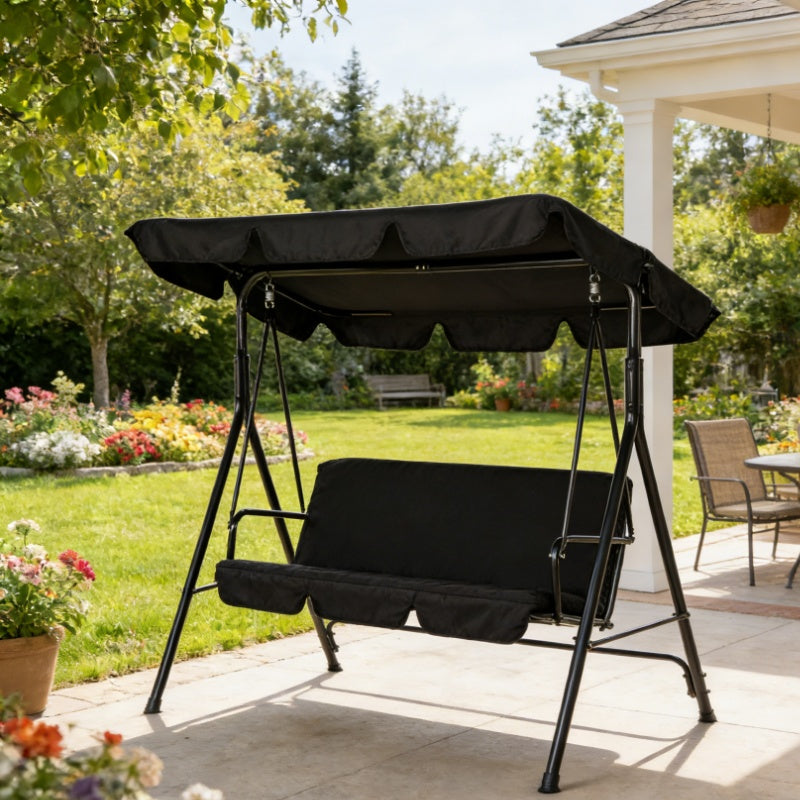
1. Use a Small Gazebo to Create a Comfortable Outdoor Lounge
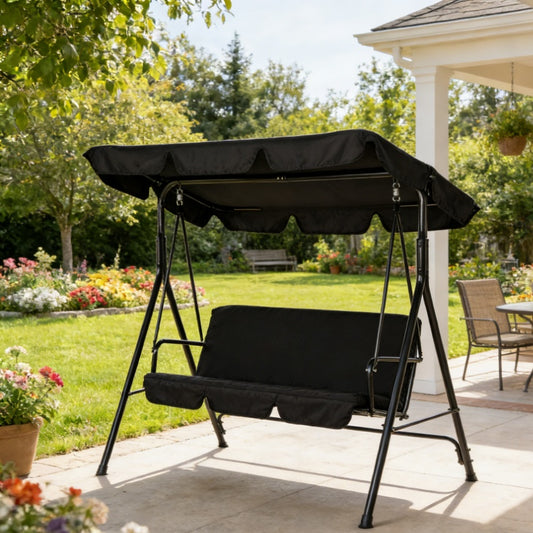
A small gazebo can turn an open yard into a usable outdoor room. It gives the space a clear purpose, adds shade, and separates the lounge area from the lawn, garden, or storage zone. Oklahoma State University Extension explains that residential outdoor rooms are often divided by function, such as gathering, dining, relaxing, working, gardening, or storage.
This is why small structures matter in a backyard makeover. A gazebo works like an outdoor ceiling and helps seating feel protected instead of exposed. If you are exploring small backyard gazebo ideas, start with how you want to use the space, then choose the size and furniture.
For ready-to-use shade structures, you can browse YODOLLA’s outdoor gazebo collection here: YODOLLA gazebos.

1.1 Choose the Right Gazebo Size for a Small Backyard
The right size depends on the yard, the furniture, and the walking space around it. A compact gazebo may fit two chairs and a side table. A larger one may fit dining seating, but it should not overwhelm the lawn.
Before buying, mark the planned gazebo footprint with tape, stakes, or string. Place chairs inside that outline and walk around the setup. This shows whether the gazebo will feel comfortable or crowded, and helps you avoid blocking doors, paths, or storage access.
Use this table as a planning guide:
| Goal | Practical Gazebo Setup | Best For |
|---|---|---|
| Morning coffee | 2 chairs + side table | Very small yards |
| Casual dining | 4-seat table | Patios and compact lawns |
| Family lounging | Loveseat + chairs | Medium backyards |
| Outdoor hosting | Dining set + serving cart | Larger open areas |
Good small backyard gazebo ideas leave open space around the structure. A gazebo should frame the yard, not consume it. In a well-planned backyard makeover, the structure feels connected to the house, walkway, and planting areas.

1.2 Improve Gazebo Function With Furniture and Decor
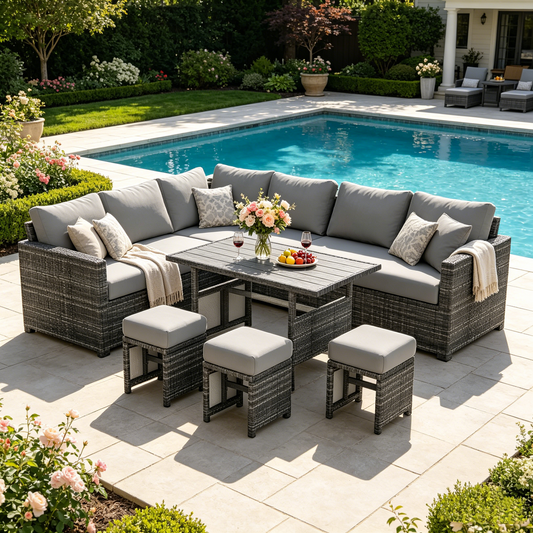
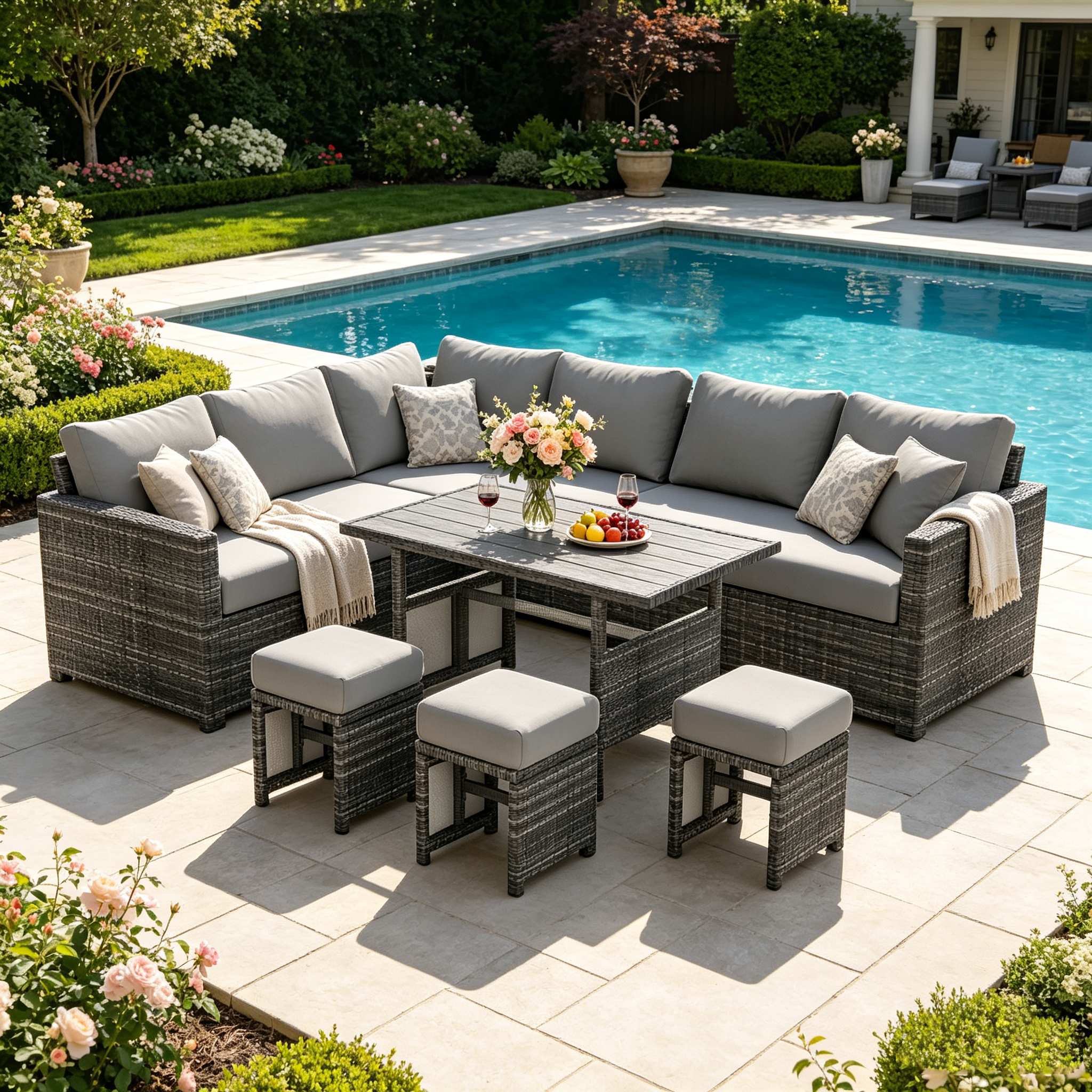
Once the size is right, make the gazebo useful. Choose weather-resistant furniture, washable cushions, a small outdoor rug, and warm lighting. A storage bench can hold pillows and accessories. Side tables make the space easier to use.
For a 2026 backyard makeover, comfort should be practical. Avoid filling the gazebo with too many decorative items. Leave enough room to sit, stand, and move. For dining, use slim chairs. For relaxing, choose deeper seating and softer lighting.
The best small backyard gazebo ideas also consider the view. Face chairs toward the garden, water feature, or fire pit instead of a fence or storage corner. This small change can make the entire yard feel calmer and more designed.
2. Solve Backyard Storage Problems With a Garden Shed
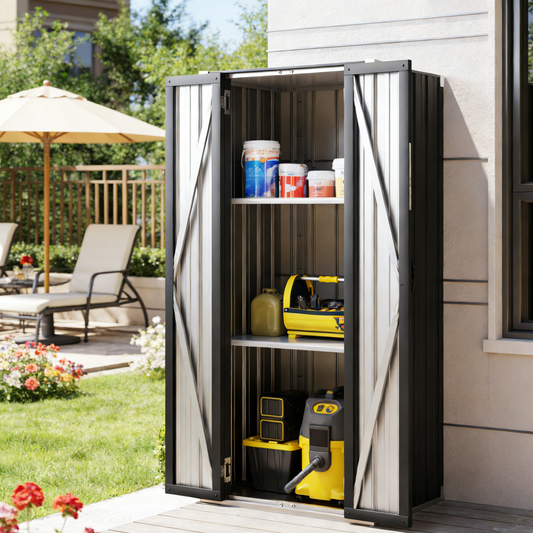
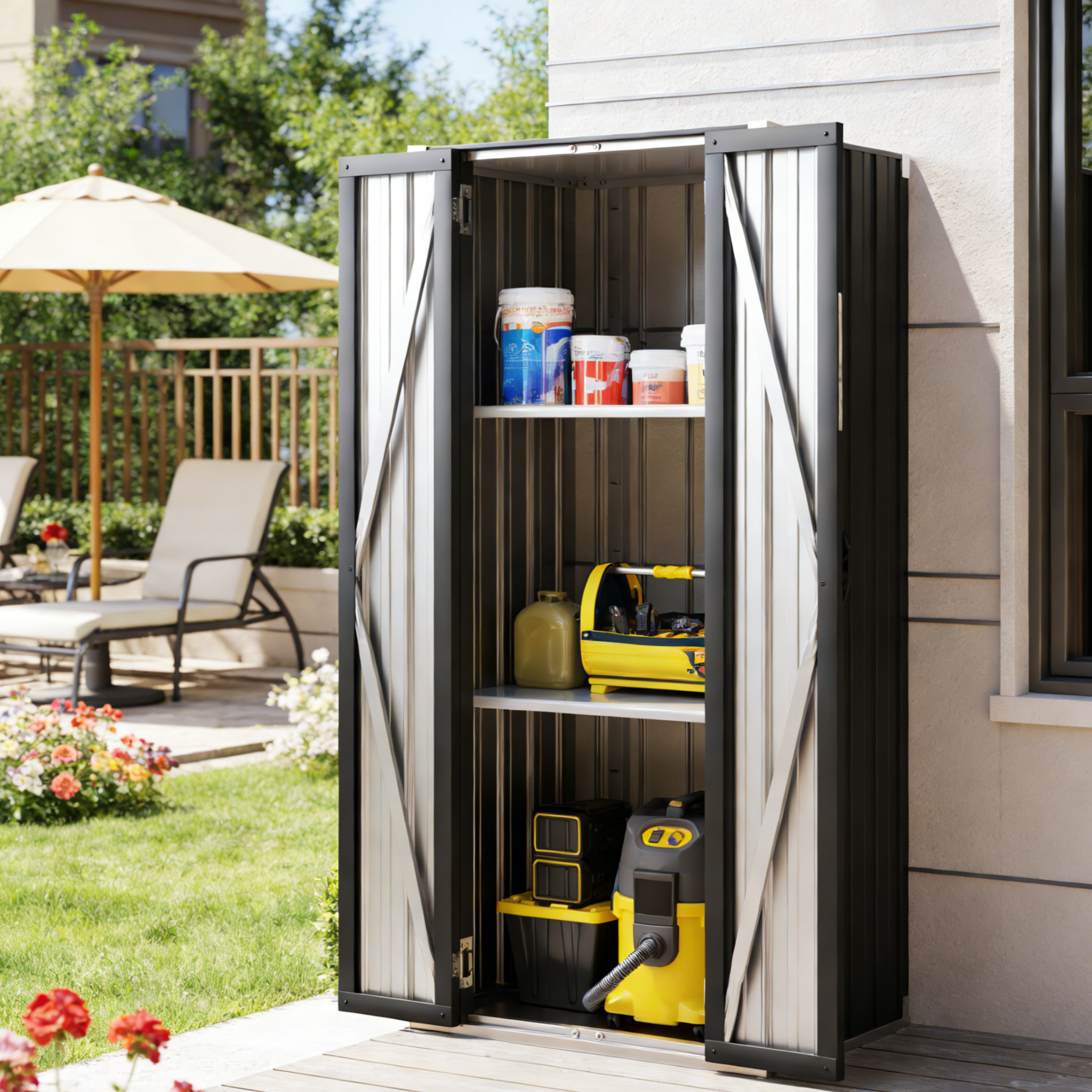
Storage is one of the most common backyard problems. Tools, cushions, pots, hoses, pool items, and seasonal decor can make the yard look messy. A garden shed gives these items a dedicated home.
In a backyard makeover, a shed should support the way the yard works, not feel like a random box at the edge of the lawn. For product inspiration, review YODOLLA sheds.

2.1 Plan the Size and Function of a Garden Shed
Start by listing what you need to store. Lawn tools, long-handled equipment, folding chairs, outdoor toys, and patio cushions all require different storage formats. A narrow shed may work for tools. A wider shed may be better for bins, shelves, and bulky seasonal items.
Also think about access. Place frequently used items near the door. Put seasonal items higher or farther back. If you use the shed every week, keep it close enough to the patio or garden.
| Storage Need | Shed Feature to Prioritize |
|---|---|
| Rakes, shovels, brooms | Tall wall hooks |
| Cushions and covers | Shelves or sealed bins |
| Garden tools | Pegboard or narrow racks |
| Lawn equipment | Wide door and clear floor area |
| Small accessories | Labeled boxes or drawers |
NC State Extension notes that good landscape design should create outdoor spaces that are functional while saving time, effort, and money. A shed supports that goal when it reduces clutter and makes outdoor tasks easier.
2.2 How to Build a Garden Shed: Practical Steps Before You Start
Many homeowners search how to build a garden shed after realizing their storage is not working. Before construction, check local rules, setback requirements, drainage, and foundation needs. Regulations vary by location, so confirm details before ordering materials.
Safety comes first. The national 811 service says homeowners should contact 811 a few business days before digging, including projects such as planting trees, installing fences, or landscape work. This matters if your shed needs a base, anchors, posts, or drainage.
Here is a simple process for how to build a garden shed:
- Choose the location and confirm local rules.
- Measure the storage items and choose the shed size.
- Check drainage so water does not collect under the shed.
- Prepare a level base, such as gravel, pavers, or a suitable platform.
- Assemble the shed according to the manufacturer’s instructions.
- Add shelves, hooks, bins, and labels before filling it.
If you are not comfortable with tools, choose a ready-to-assemble shed or hire help. The goal of how to build a garden shed is not just to finish a structure. It is to create storage that makes the backyard easier to maintain.
2.3 Use Vertical Space to Improve Storage Efficiency
Vertical storage is one of the easiest ways to make a shed work better. Use wall hooks for tools, overhead racks for lightweight seasonal items, and shelves for bins. Keep the floor open so you can step inside easily.
This approach also helps a backyard makeover stay tidy. When every item has a place, the patio and lawn remain open for relaxing, dining, and gardening.

3. Improve the Landscape Layout for a More Coordinated Backyard Makeover
The landscape ties everything together. Without a layout plan, a gazebo, shed, furniture set, and garden bed can feel disconnected. With a plan, each piece supports the others.
3.1 Use Paving and Plants to Divide Functional Zones
Start by drawing a simple map of the yard. Mark the house door, patio, lawn, garden beds, fence line, sun, shade, and problem spots. Then divide the space into zones: lounging, dining, storage, planting, and walking.
Paving helps guide movement. A stone path can connect the house to the gazebo. A gravel strip can lead to the shed. Mulch can define a planting bed. Low shrubs or planters can create soft borders.
Plant choice matters too. EPA WaterSense data shows that landscape irrigation is a major part of residential outdoor water use. For a water-smart backyard makeover, choose plants that fit your climate, group plants with similar water needs, and avoid overwatering.
3.2 Coordinate the Gazebo, Shed, and Outdoor Furniture
A coordinated backyard makeover does not require everything to match perfectly. It does need visual consistency. Repeat a few materials or colors across the yard. For example, a black metal gazebo can pair with black shed hardware, dark planters, and neutral outdoor furniture.
Keep scale in mind. A large shed beside a tiny bistro set may feel unbalanced. A heavy dining set under a very small gazebo may feel cramped. The goal is a yard where each feature looks intentional and supports the overall layout.
If you want a simple design rule, repeat three elements: one main color, one accent color, and one material. This creates unity without making the space look flat.

4. Create a Backyard Makeover Budget Before You Buy
A strong budget keeps the project realistic. It also helps you upgrade in phases instead of buying everything at once. Start with improvements that affect daily use: shade, seating, storage, safe paths, and lighting.
Use a phased budget like this:
| Phase | Main Focus | Example Upgrades |
|---|---|---|
| Phase 1 | Clean and plan | Declutter, measure, sketch zones |
| Phase 2 | Comfort | Gazebo, seating, shade, lighting |
| Phase 3 | Storage | Garden shed, hooks, bins, shelves |
| Phase 4 | Landscape | Paving, plants, mulch, irrigation |
| Phase 5 | Finishing touches | Decor, planters, outdoor rug |
This phased approach makes the backyard makeover easier to manage. It also reduces mistakes. You may discover that storage is more urgent than new furniture, or that a small gazebo should move closer to the house.
5. Conclusion: Build a Backyard Makeover Around Real Use
A practical backyard makeover starts with space planning, then adds comfort, storage, and landscape structure. You do not need to rebuild the entire yard at once. Begin with the area that will improve daily life.
Small gazebos are ideal for creating outdoor lounge or dining zones. Garden sheds make tools and outdoor supplies easier to manage. Landscape planning connects everything so the yard feels organized, comfortable, and useful.
For 2026, the smartest backyard makeover is not the most expensive one. It is the one that fits your yard size, budget, and habits. Plan the space, choose the right structures, organize storage, and improve the yard in phases. That is how every part of the backyard makeover starts to serve a real purpose.